Concrete Repair Services › Concrete Crack Repair
Concrete Crack Repair in Ann Arbor, MI
A crack in concrete is a path for water, and in Ann Arbor winters, water in a crack becomes ice that pries it wider every season. The repair method depends on whether the crack is active or dormant, structural or cosmetic, and how deep it runs. Getting that diagnosis wrong is the most common reason crack repairs fail inside a year.
Ann Arbor Concrete Repair Pros provides concrete crack repair for homeowners across Ann Arbor, MI. Call for a free inspection and a written quote before any work begins.
When to Call
When You Need Concrete Crack Repair
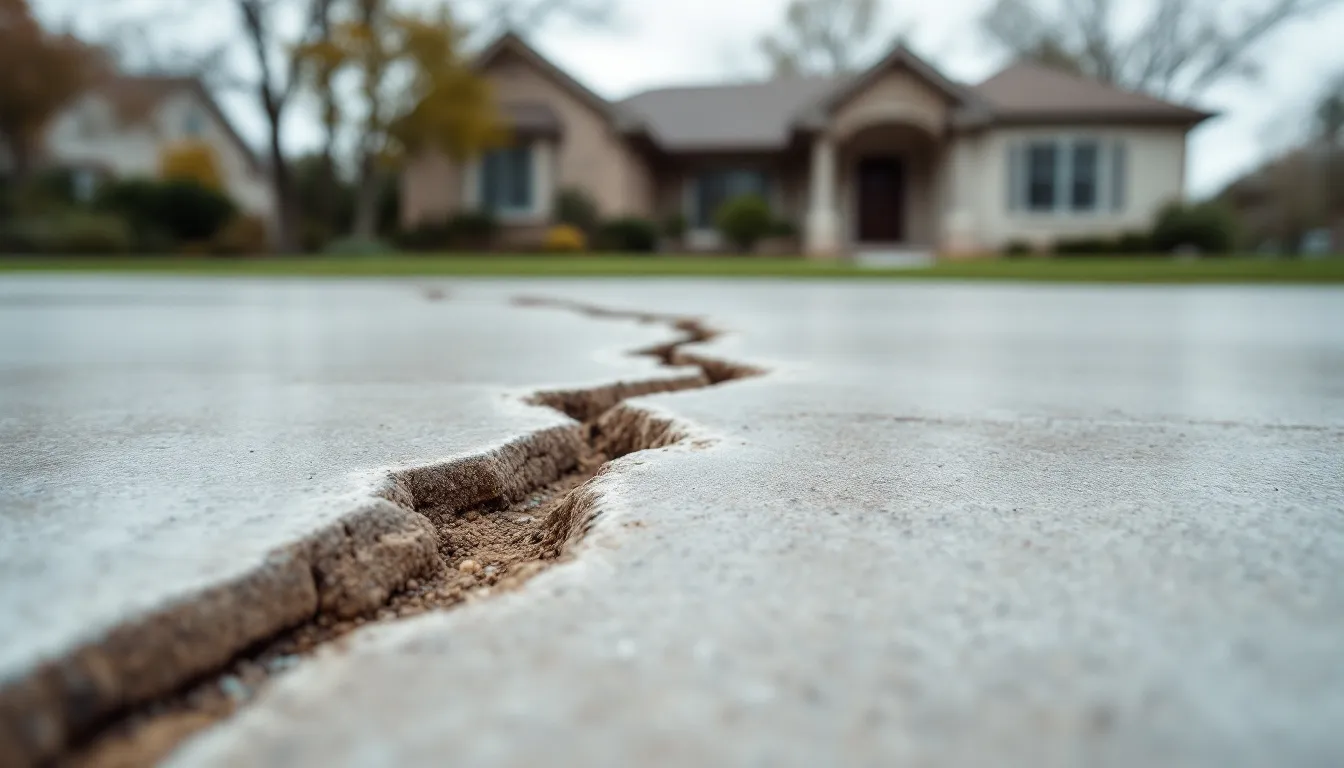
- A driveway crack that was hairline last spring is now a quarter-inch wide
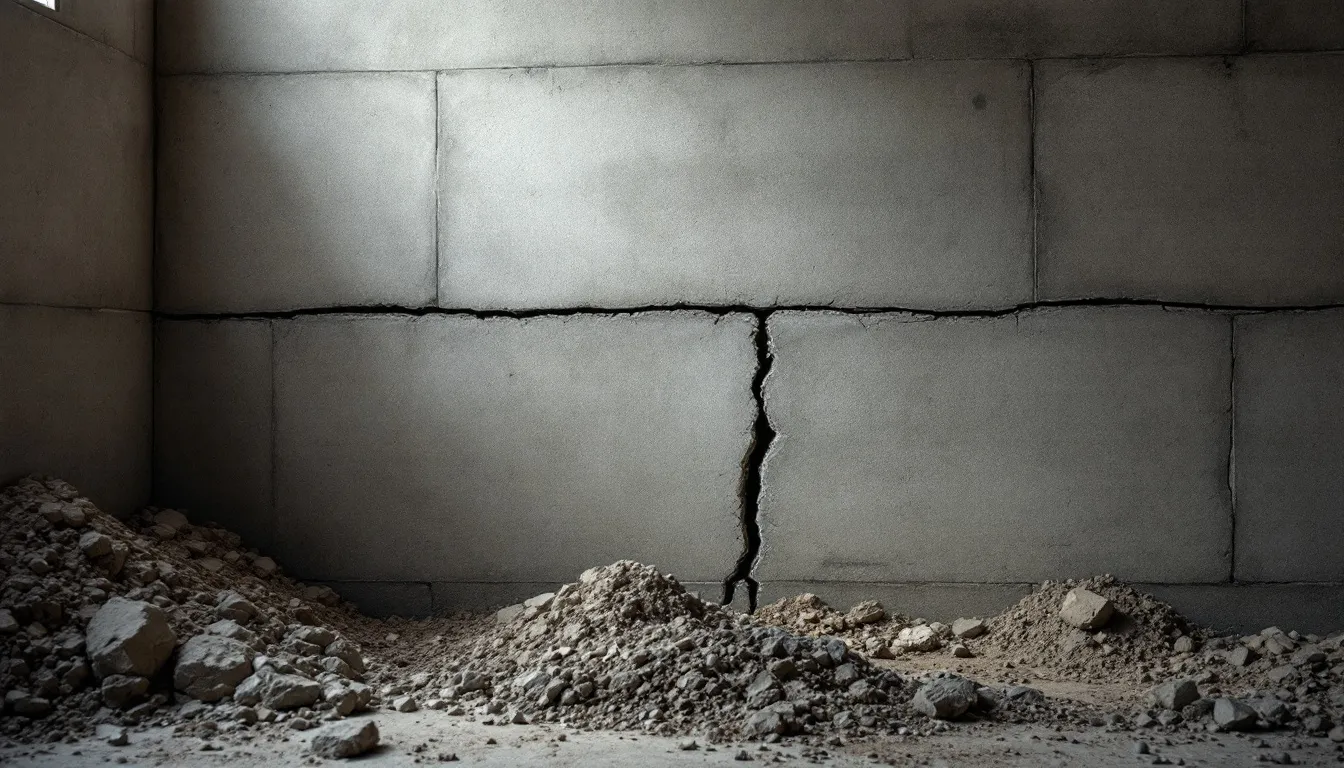
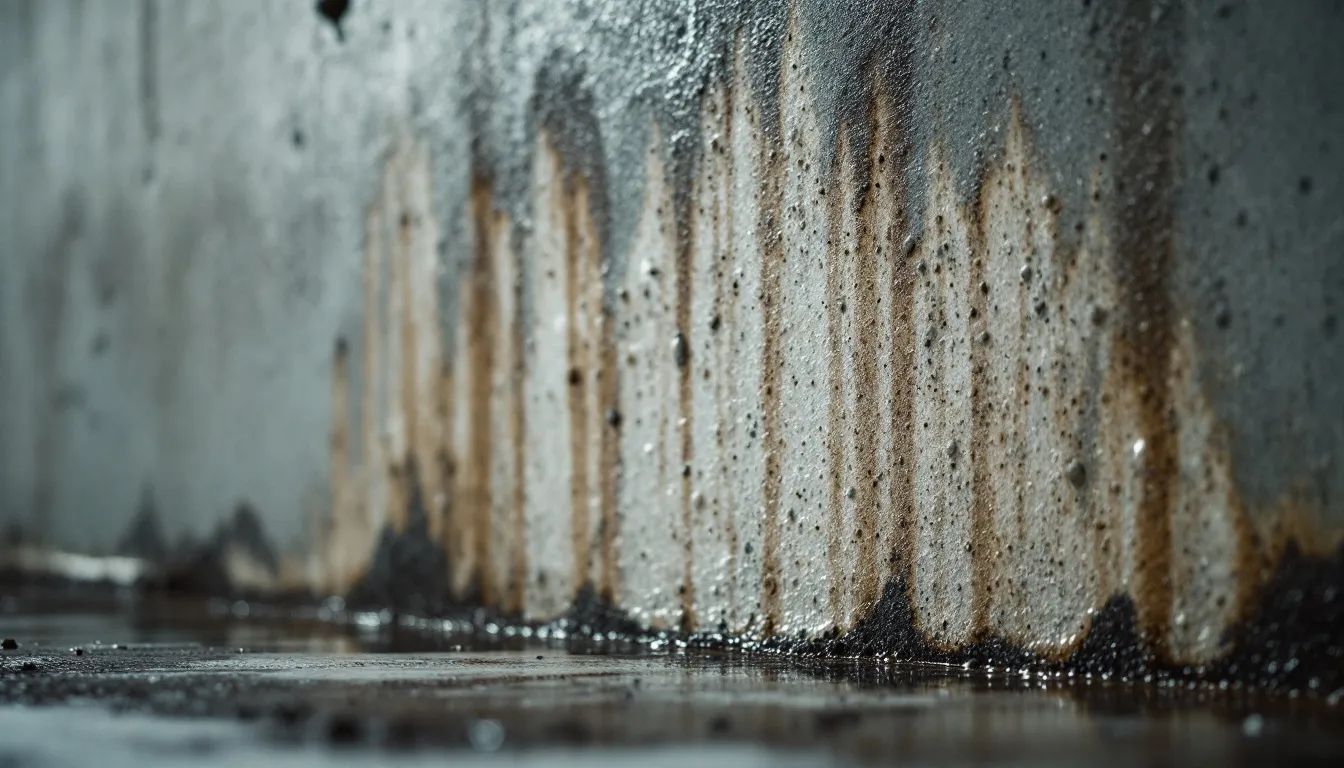
- Water is seeping through a basement wall crack after heavy rain
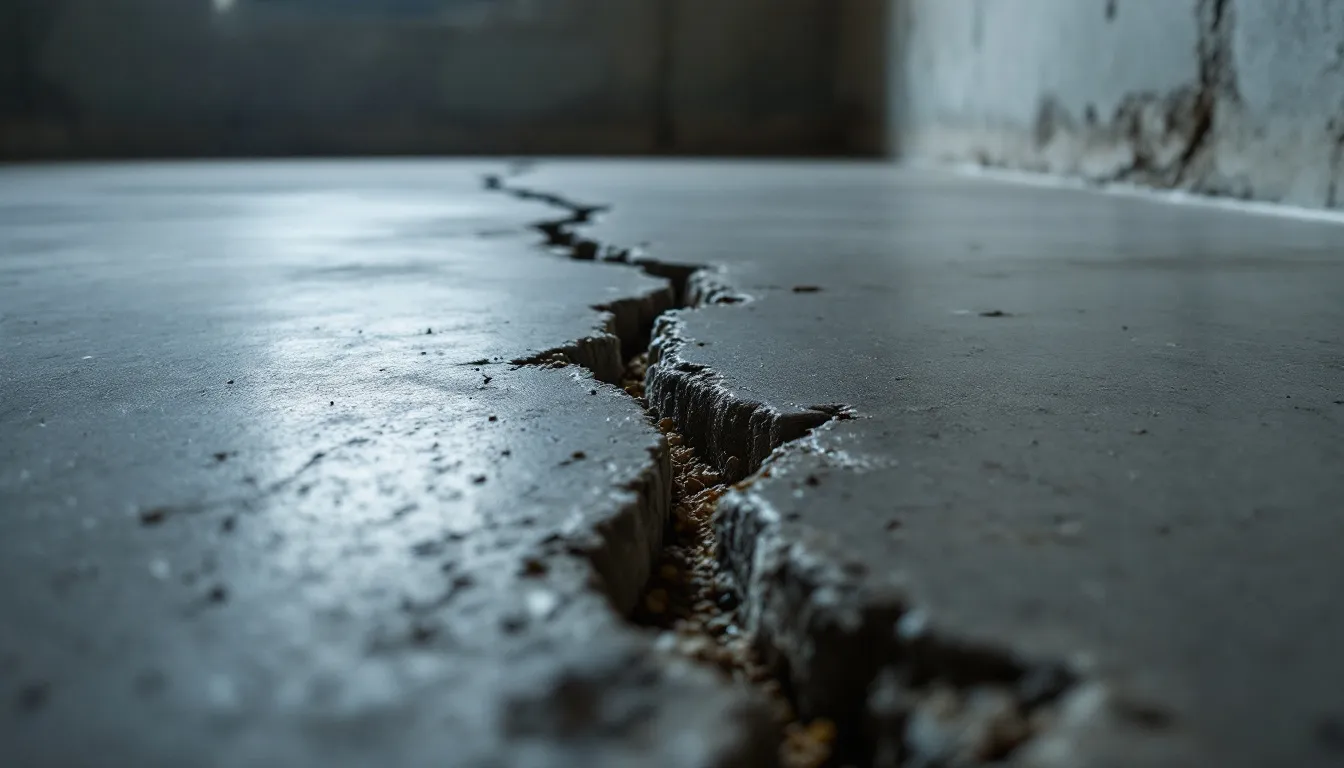
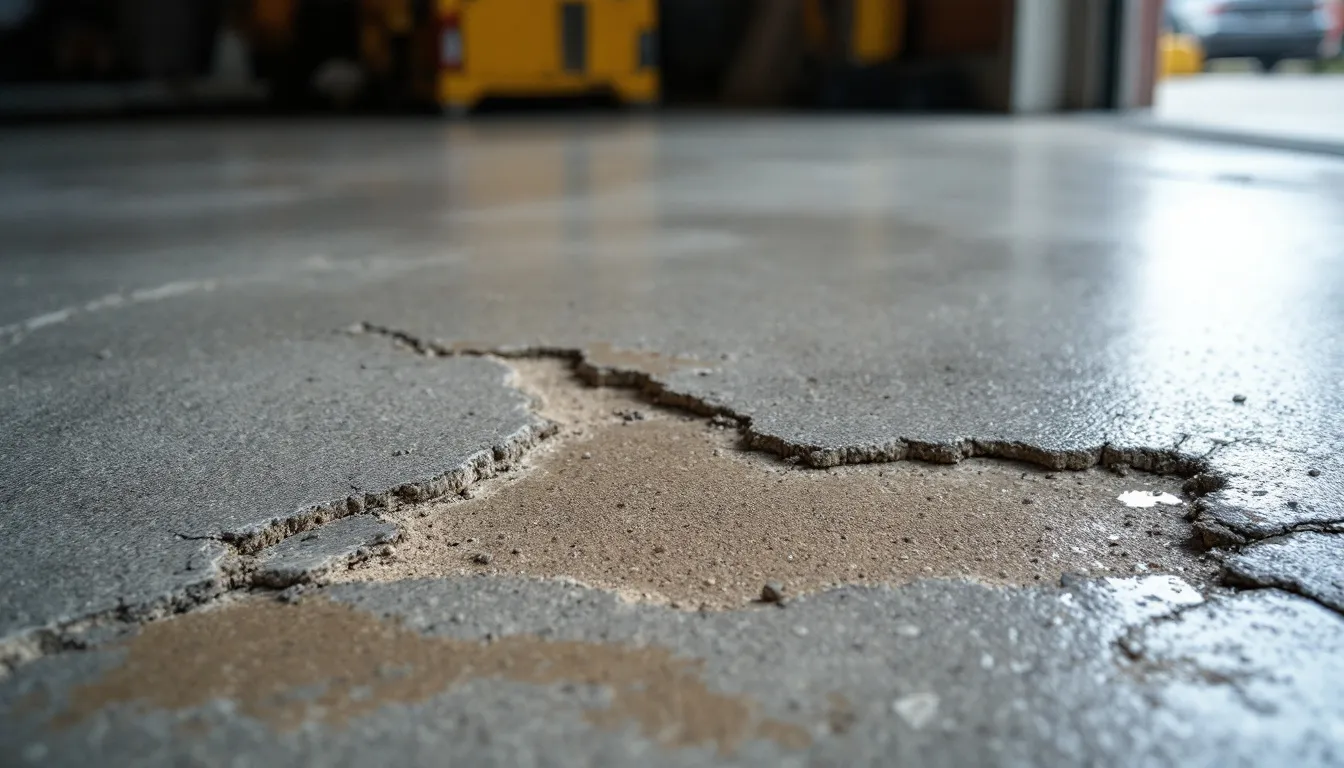
- A garage floor crack is growing in length after each winter
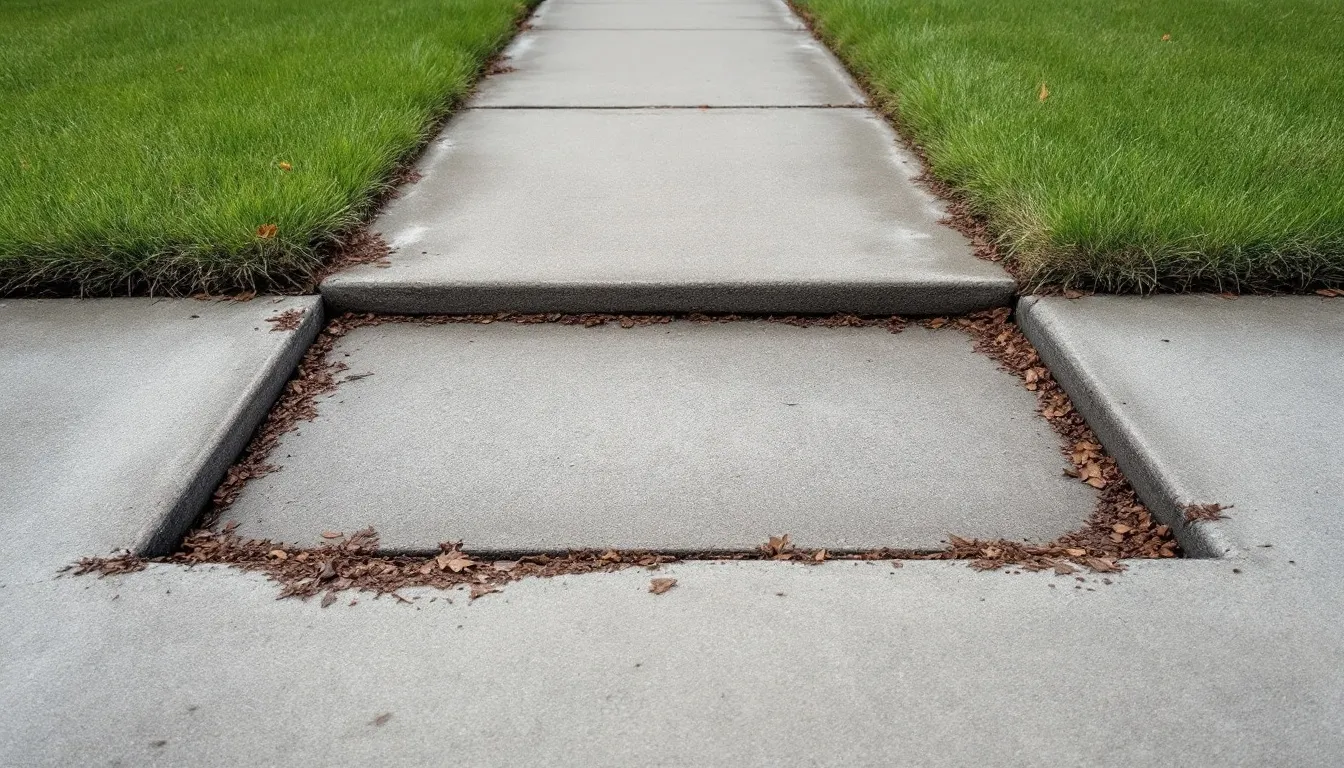
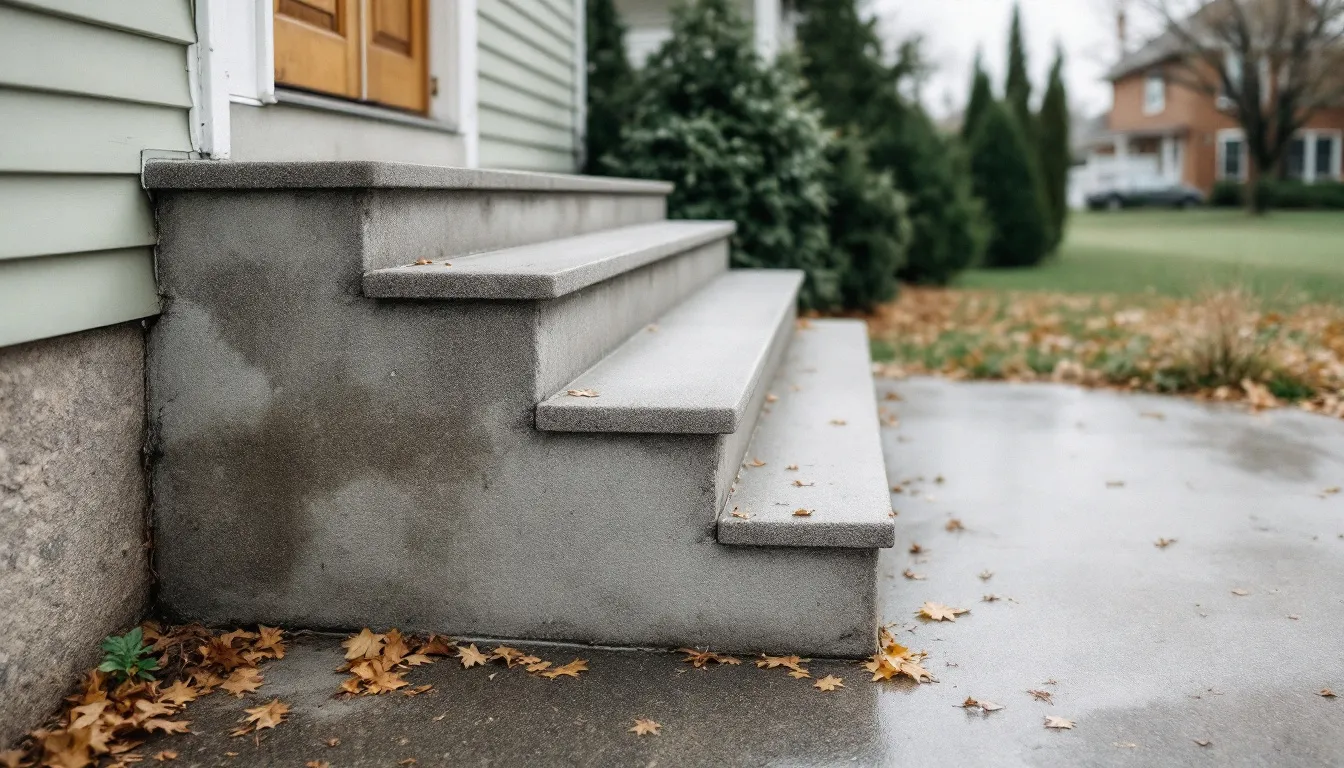
- Cracks in a sidewalk slab are causing a trip hazard at the edges
- A patio has a network of small cracks starting to connect into larger ones
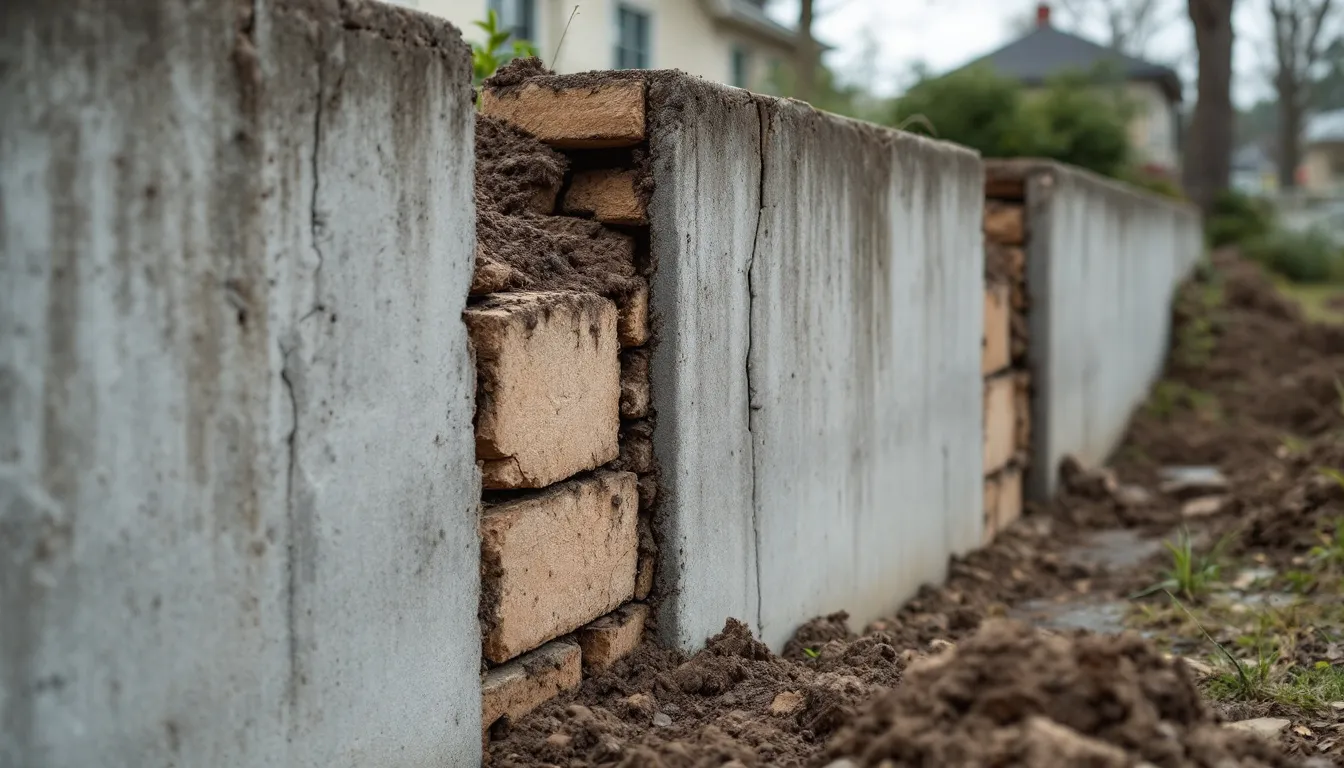
- You are selling the house and an inspector flagged foundation wall cracks
How It Works
Our Process for Concrete Crack Repair
- 1
Initial assessment
We measure crack width, probe depth, and check for movement. A crack that shifts seasonally gets treated differently than one that stopped moving years ago.
- 2
Surface preparation
We wire-brush or grind the crack open slightly to remove loose material and dirt. Repairs bond poorly to dusty or spalled edges, so this step is not optional.
- 3
Method selection
Narrow dormant cracks get polyurethane or epoxy injection. Wide or active cracks may need routing and flexible sealant so the repair can move without re-cracking.
- 4
Fill and seal
We fill in lifts where needed to avoid voids, then seal the surface flush. For basement cracks, we confirm the fill reached full depth before finishing.
- 5
Cure and inspection
Most materials need time before foot or vehicle traffic. We walk the repair with you before we leave and point out anything to watch in the next season.
What's included
- Full-length crack cleaning and preparation before any material goes in
- Filler or sealant material matched to crack type and location
- Surface finishing to bring repair flush with surrounding concrete
- Walk-through with the homeowner at job completion
- Guidance on what to watch for if the crack is in an active area
What's not included
- Repairs to cracks caused by ongoing foundation settlement — that requires a structural fix first
- Waterproofing membranes or interior drainage systems beyond the crack itself
- Concrete replacement if the slab section around the crack has deteriorated too far to hold repair material
Real Situations
Common Scenarios in Ann Arbor
A homeowner in the Burns Park neighborhood has a basement wall crack that appeared after the wet spring and is now damp to the touch.
We determine if the crack is tied to hydrostatic pressure or just surface infiltration. For an active water crack we use a hydraulic cement plug first, then seal the full length once the immediate water is stopped. We are honest if the crack pattern suggests a drainage problem that repair alone will not solve.
A ranch home owner off Packard has a garage floor with three parallel cracks running the length of the slab.
Parallel cracks running the long direction of a slab usually mean the control joints were cut too late or too shallow at pour. We seal each crack, but we also explain that without addressing the joint spacing, new cracks may eventually form between the repaired ones. That context helps the homeowner plan ahead.
A homeowner near the Old West Side has a front walk with a crack that has widened and shows vertical displacement between the two slab sections.
Displacement means the slabs have moved independently, which is a leveling issue as much as a crack issue. We discuss whether crack fill alone makes sense or whether leveling the slabs first would give a better long-term result. We do not fill over a trip hazard and call it done.
Ann Arbor Context
Why this matters in Ann Arbor
Ann Arbor sits on clay-heavy glacial soils that shift noticeably between wet and dry seasons, and that movement stresses slabs and foundation walls every year. The freeze-thaw cycle here averages around 50 cycles per winter, which means a small crack in October is rarely the same size by March. Most homes in the older neighborhoods near downtown and the University were built before modern crack control practices, so uncontrolled cracking is common in those slabs.
Straight Talk
About pricing & scope
Price on crack repair varies most based on length, depth, and whether the crack is actively moving. A basement wall crack takes more material and time than the same length on a flat slab. If we open a crack and find it is deeper or wider than it looked from the surface, we stop and talk to you before the scope changes.
What This Fixes
Problems We See in Ann Arbor
More Concrete Repair Services
Concrete Crack Repair Near You