Concrete Repair Services › Mudjacking Service
Mudjacking Service in Ann Arbor, MI
Mudjacking pumps a cement-soil slurry through holes drilled in your slab, filling voids underneath and pressing the concrete back up. It works best when the slab itself is structurally sound but has dropped due to soil washout or settlement. The holes are patched after, and the slab is usable within hours.
Ann Arbor Concrete Repair Pros provides mudjacking service for homeowners across Ann Arbor, MI. Call for a free inspection and a written quote before any work begins.
When to Call
When You Need Mudjacking Service
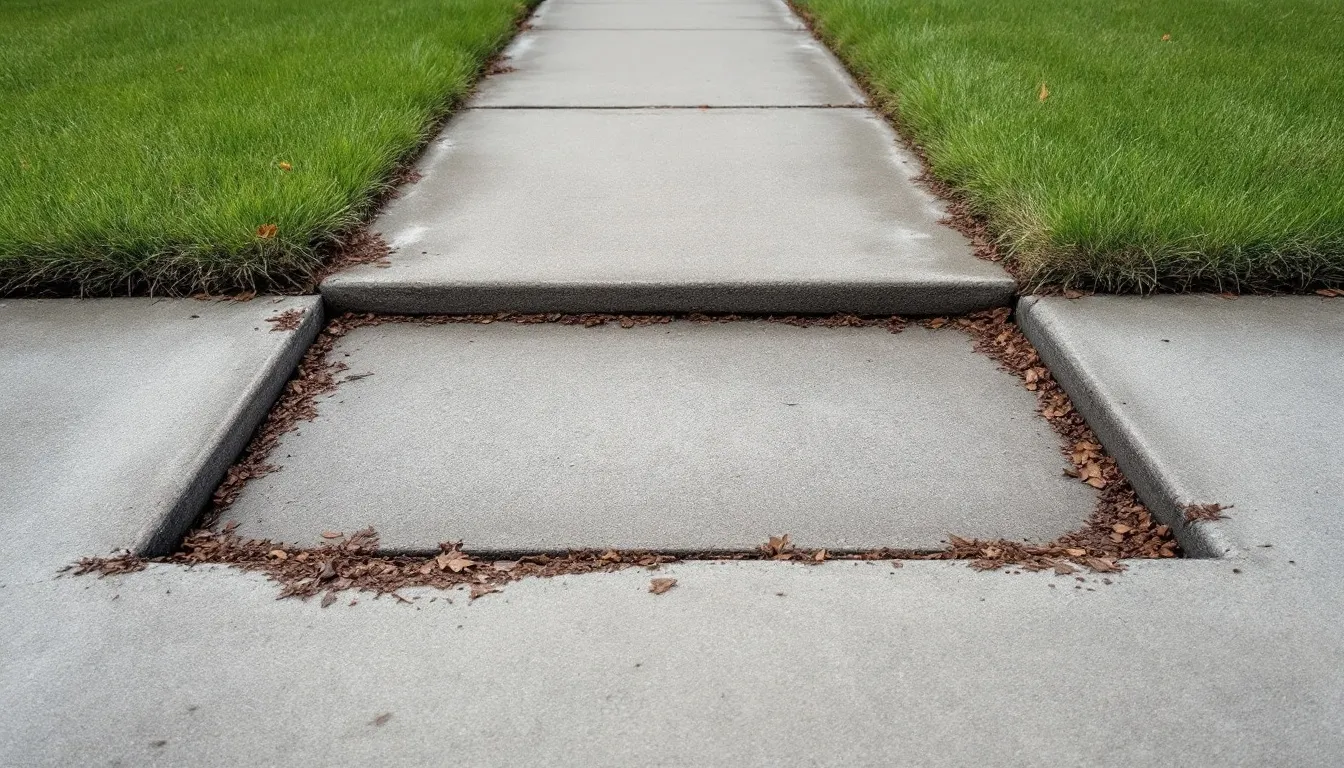
- Your front sidewalk panels have dropped and now trip visitors at the seams
- The garage apron slopes toward the foundation instead of away from it
- A patio section sank after a wet spring and never came back up
- Your driveway has a two-inch drop where it meets the public sidewalk
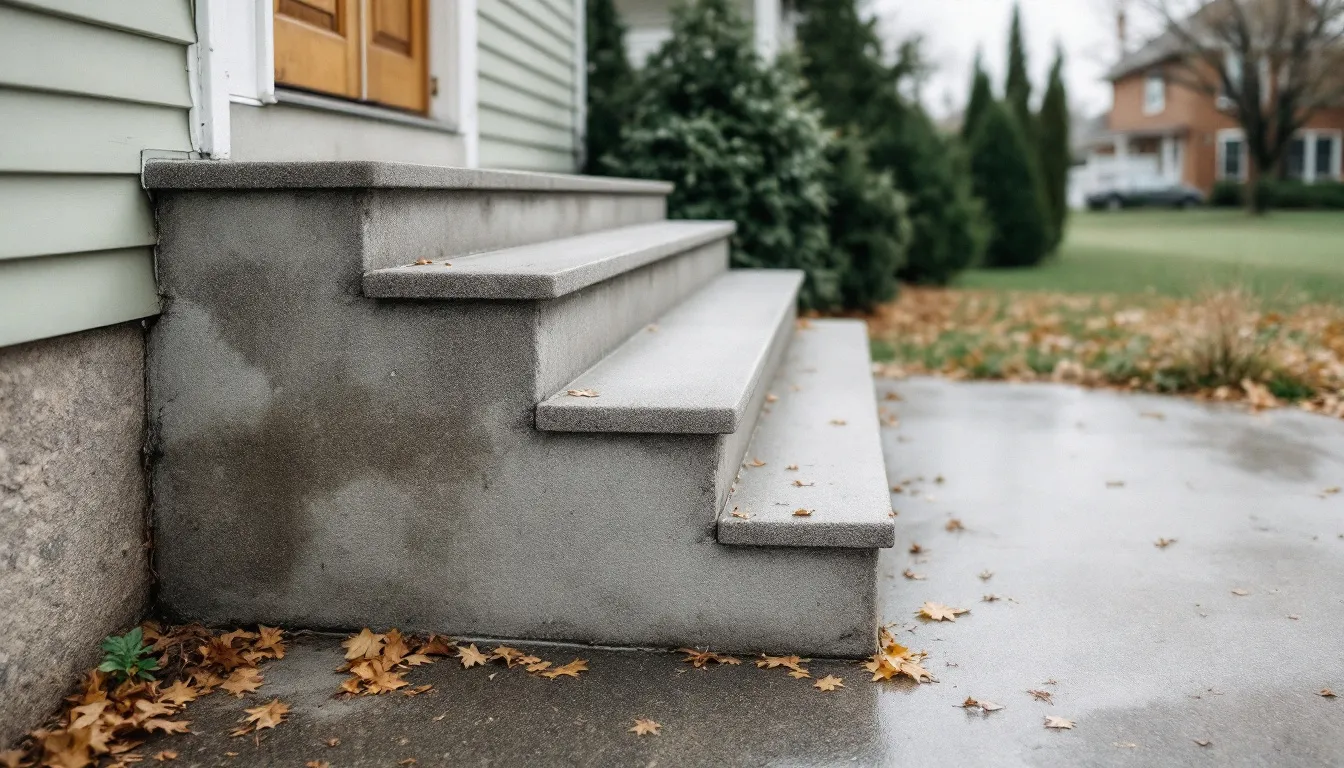
- Steps to your side door settled and now pull away from the house
- Standing water collects near your foundation because a slab tilted inward
How It Works
Our Process for Mudjacking Service
- 1
On-site assessment
We walk the slab, check how far it dropped, probe for soft spots, and look at the slab edges to confirm it can handle lifting without cracking further.
- 2
Drill injection holes
We drill holes roughly the size of a half-dollar through the concrete at planned intervals. Hole placement is based on where the void is, not a fixed pattern.
- 3
Mix and pump slurry
We mix a cement, soil, and water slurry on site, then pump it through the holes under controlled pressure until the slab begins to lift evenly.
- 4
Monitor and level
Someone watches grade with a level as we pump. We stop when the slab reaches target height — overshooting is easier to do than people think, so we go slow.
- 5
Patch the holes
Injection holes are filled with concrete mix and finished flush. They are visible as small round patches but hold up well under normal traffic.
- 6
Cure and handoff
Slurry needs time to set. We give you a clear wait time before foot or vehicle traffic, typically same day for pedestrian use.
What's included
- Full slab lift using hydraulic slurry injection through drilled holes
- Patching of all injection holes with concrete mix, finished flush
- Grade check before and after to confirm target elevation is reached
- Cleanup of slurry overflow from the slab surface
- Walk-through with you at the end so you can see the result firsthand
What's not included
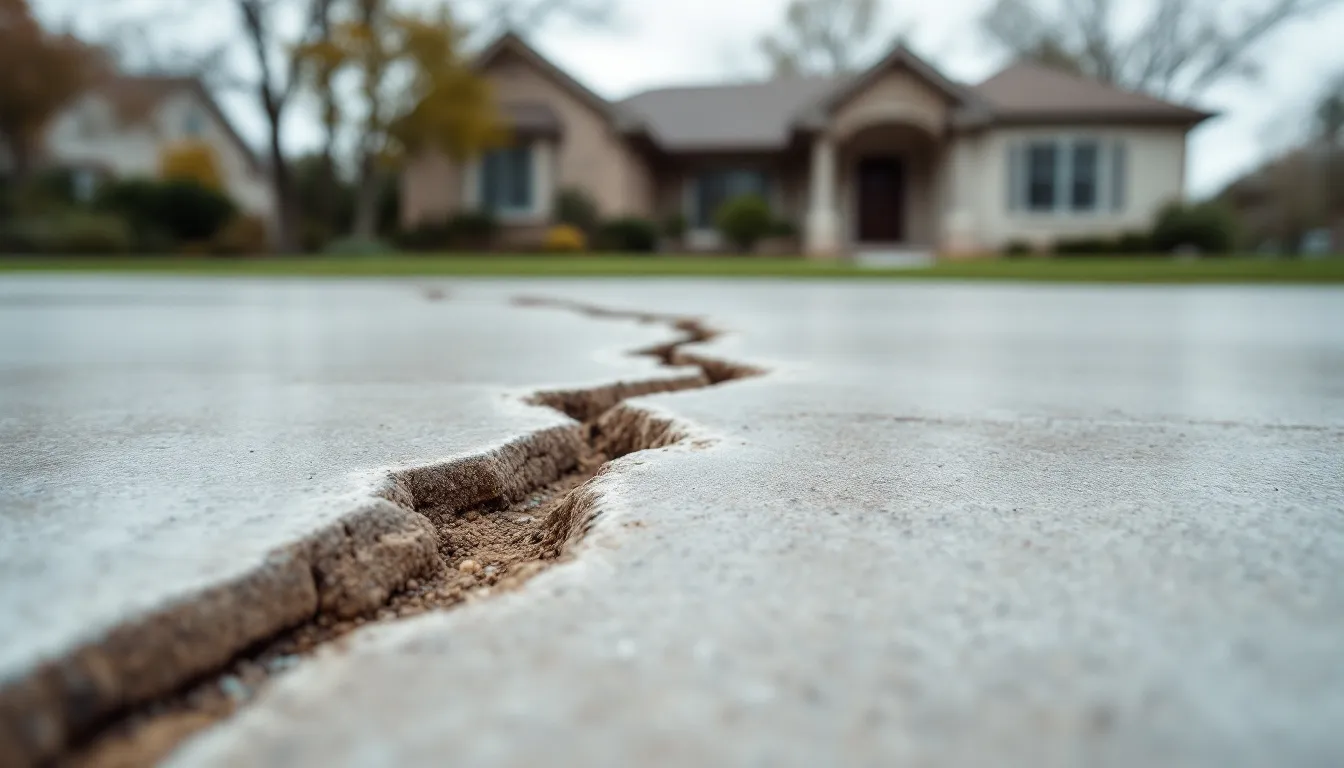
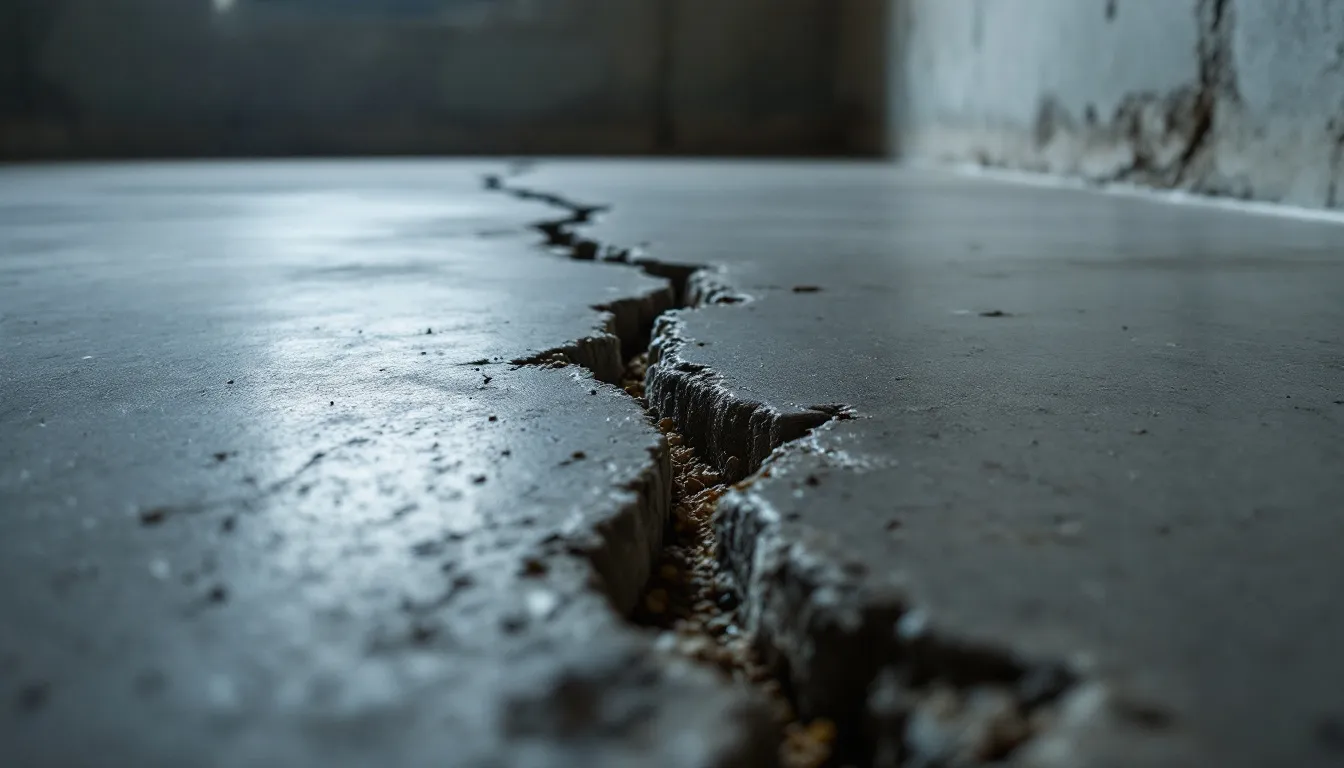
- Crack repair to the slab surface — that is a separate scope of work
- Addressing the root cause of erosion, like poor drainage or broken downspouts
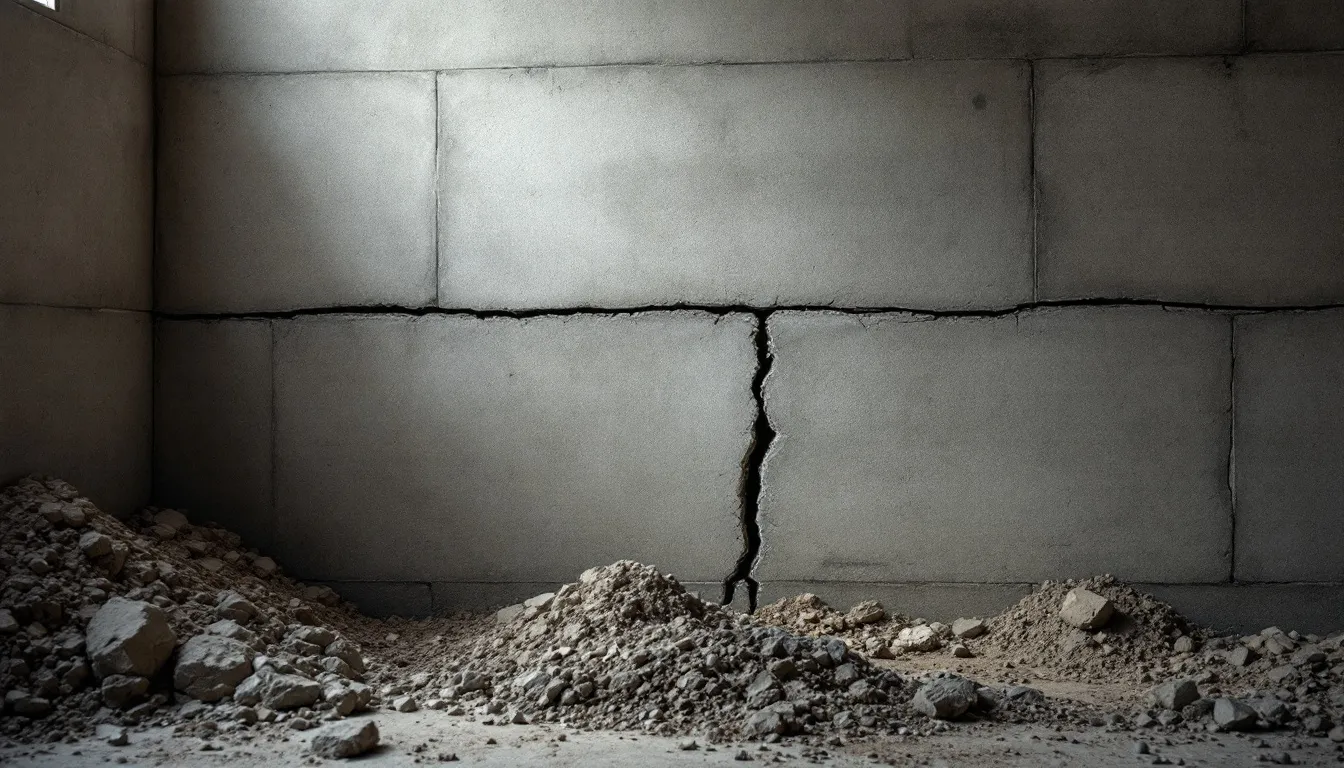
- Lifting slabs that are shattered, heavily spalled, or structurally compromised
Real Situations
Common Scenarios in Ann Arbor
A homeowner near Burns Park has a sidewalk panel that dropped about two inches after a particularly wet winter, and the city flagged it as a trip hazard.
We assess whether the panel is intact enough to lift cleanly, which it usually is in these cases. We drill, lift, and patch in a few hours. The panel goes back to grade and the trip hazard is gone without replacing the whole walk.
A homeowner in the Old West Side has a driveway apron that settled toward the house, sending water under the garage door during heavy rain.
We lift the apron back to a slight outward pitch so water drains away from the structure. This is one of the more common calls we get and mudjacking handles it well when the concrete itself is still solid.
A Pittsfield Township homeowner has a patio that dropped unevenly — one corner sank more than the rest, making the whole surface look wavy.
Uneven slab drops require careful hole placement and slow pumping to avoid overcorrecting one area. We lift the low corner first, then balance the rest. It is not always perfect, but we get it functional and safe.
Ann Arbor Context
Why this matters in Ann Arbor
Ann Arbor sits on glacial clay and sandy loam soils that shift significantly with freeze-thaw cycles every winter. Homes built through the 1960s and 1970s — common in neighborhoods like Eberwhite and Wines — often have original sidewalks and patios with no gravel base under them, which makes soil washout worse. Mudjacking is one of the more practical repairs for this kind of settlement.
Straight Talk
About pricing & scope
Cost is driven by how many holes we need to drill and how much slurry it takes to fill the void — and we never know the exact void size until we start pumping. Larger voids or multiple separate slabs mean more material and more time. If we open it up and find the slab is broken underneath, we will tell you before continuing.
What This Fixes
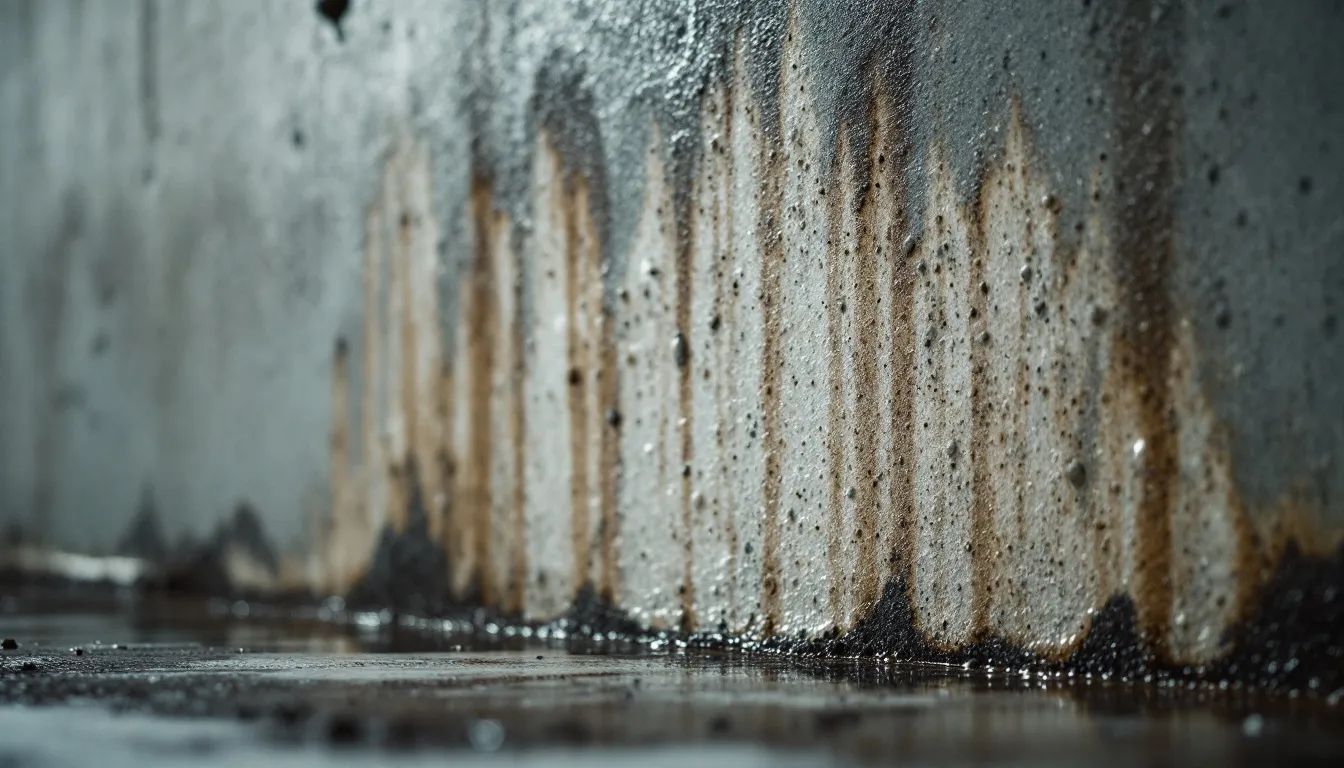
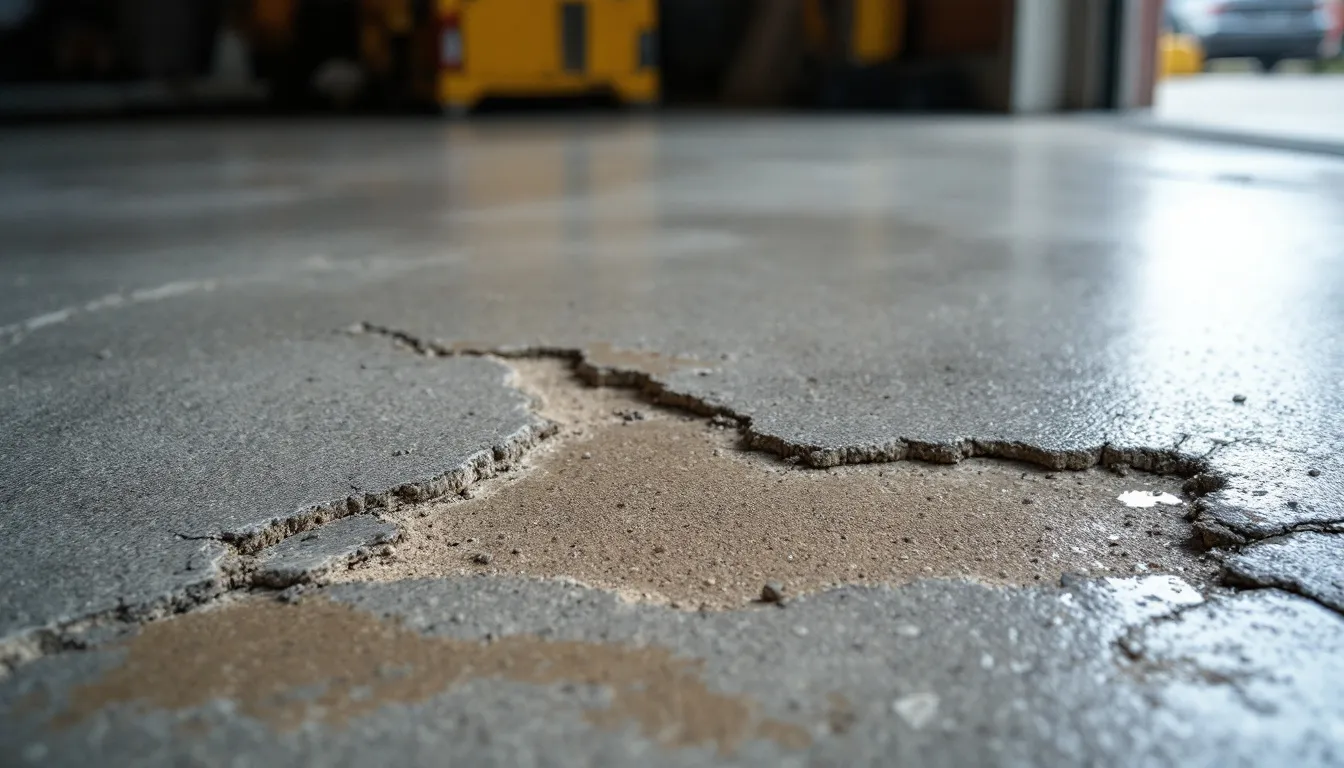
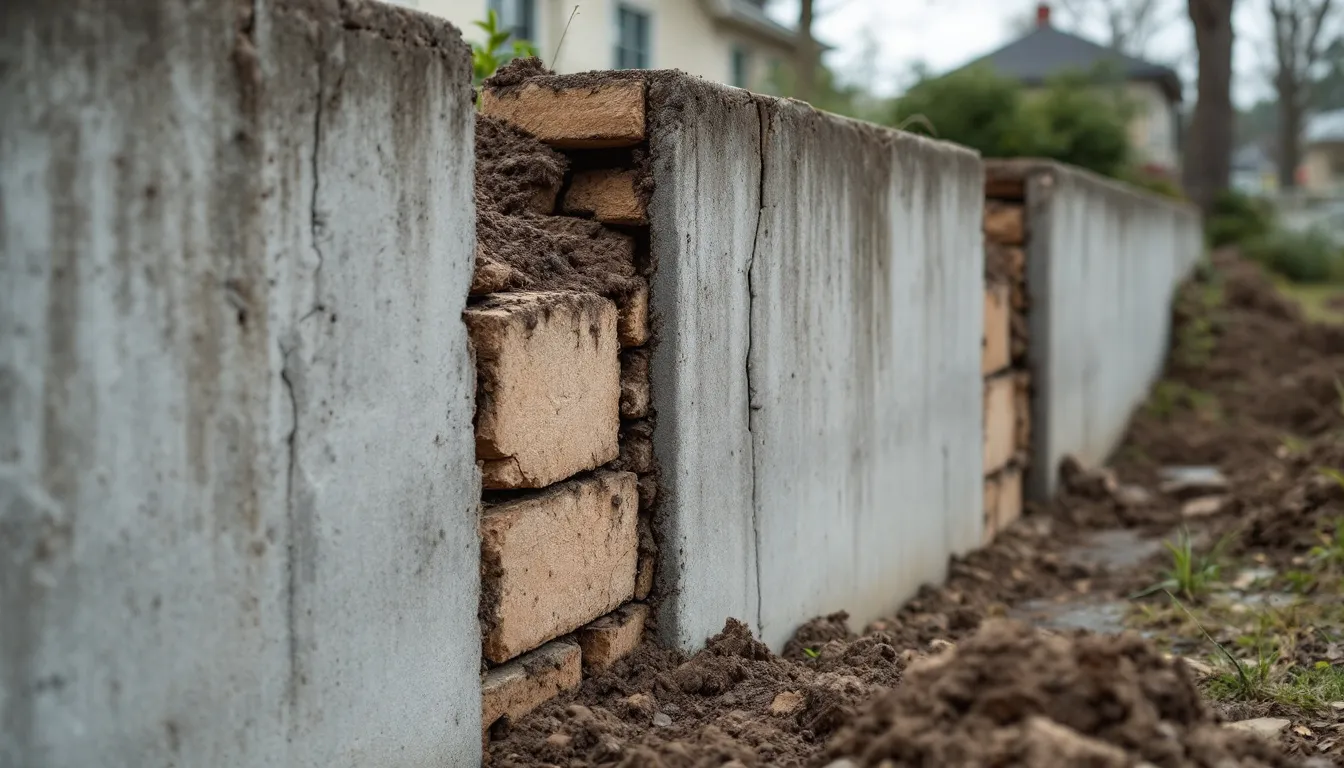
Problems We See in Ann Arbor
More Concrete Repair Services
Mudjacking Service Near You