Concrete Repair Services › Concrete Leveling
Concrete Leveling in Ann Arbor, MI
Leveling addresses slabs that have sunk or tilted because the soil underneath them has shifted, eroded, or compressed. The goal is to get the slab back to its original elevation without tearing it out. Two main methods exist — mudjacking, which pumps a slurry under the slab, and polyurethane foam injection, which uses an expanding foam — and the right choice depends on the slab, the soil, and the location.
Ann Arbor Concrete Repair Pros provides concrete leveling for homeowners across Ann Arbor, MI. Call for a free inspection and a written quote before any work begins.
When to Call
When You Need Concrete Leveling
- A driveway section has sunk and water is pooling against the garage door
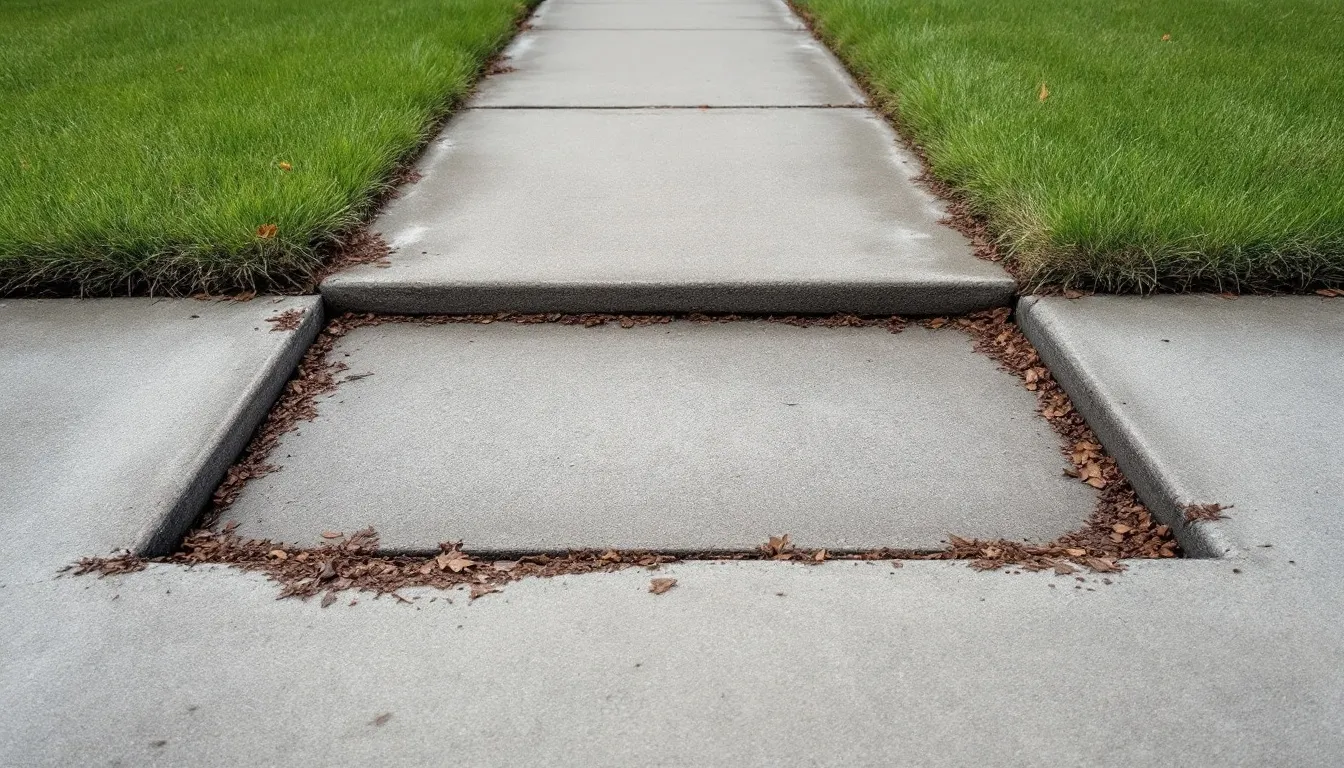
- Sidewalk panels near the street have settled and the city is flagging them
- A back patio is tilting toward the house and directing water at the foundation
- Pool deck sections have dropped and the edge is now uneven and a trip hazard
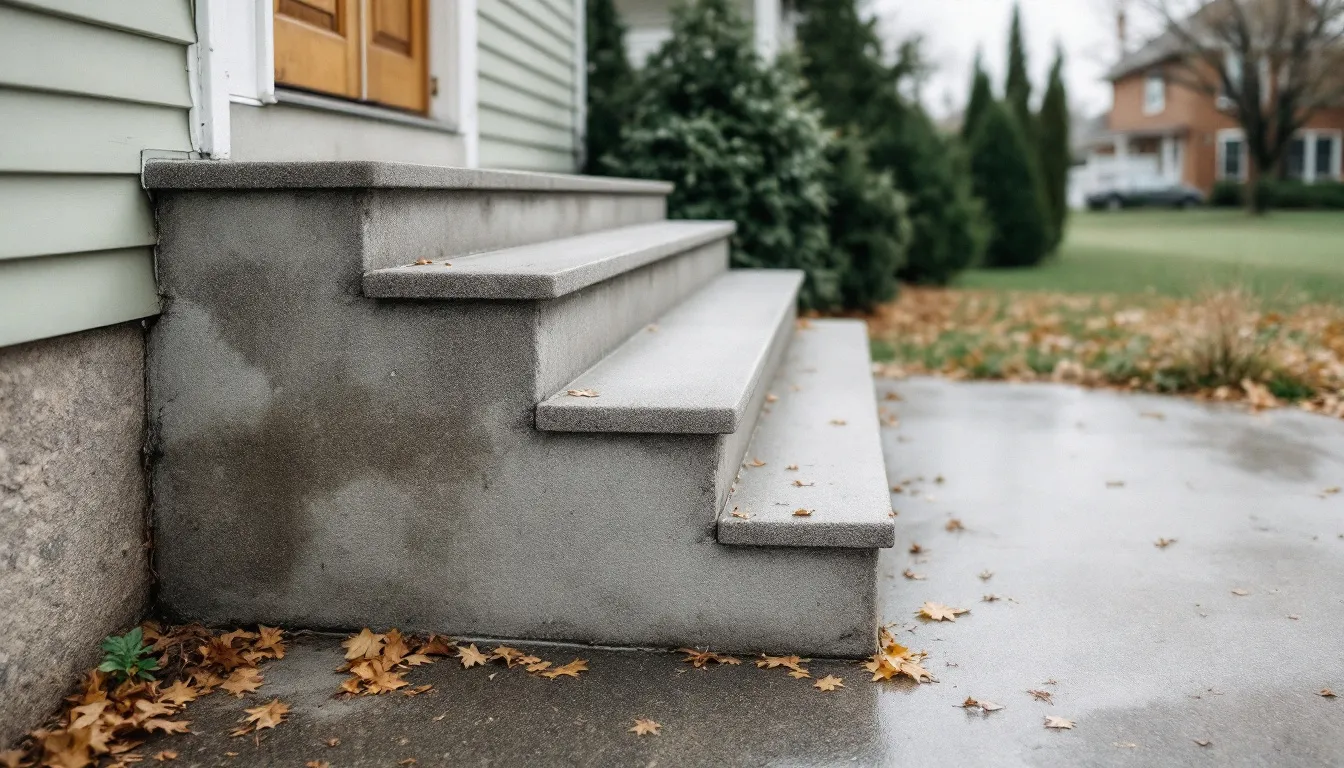
- Steps have settled and the first riser is now taller than the rest
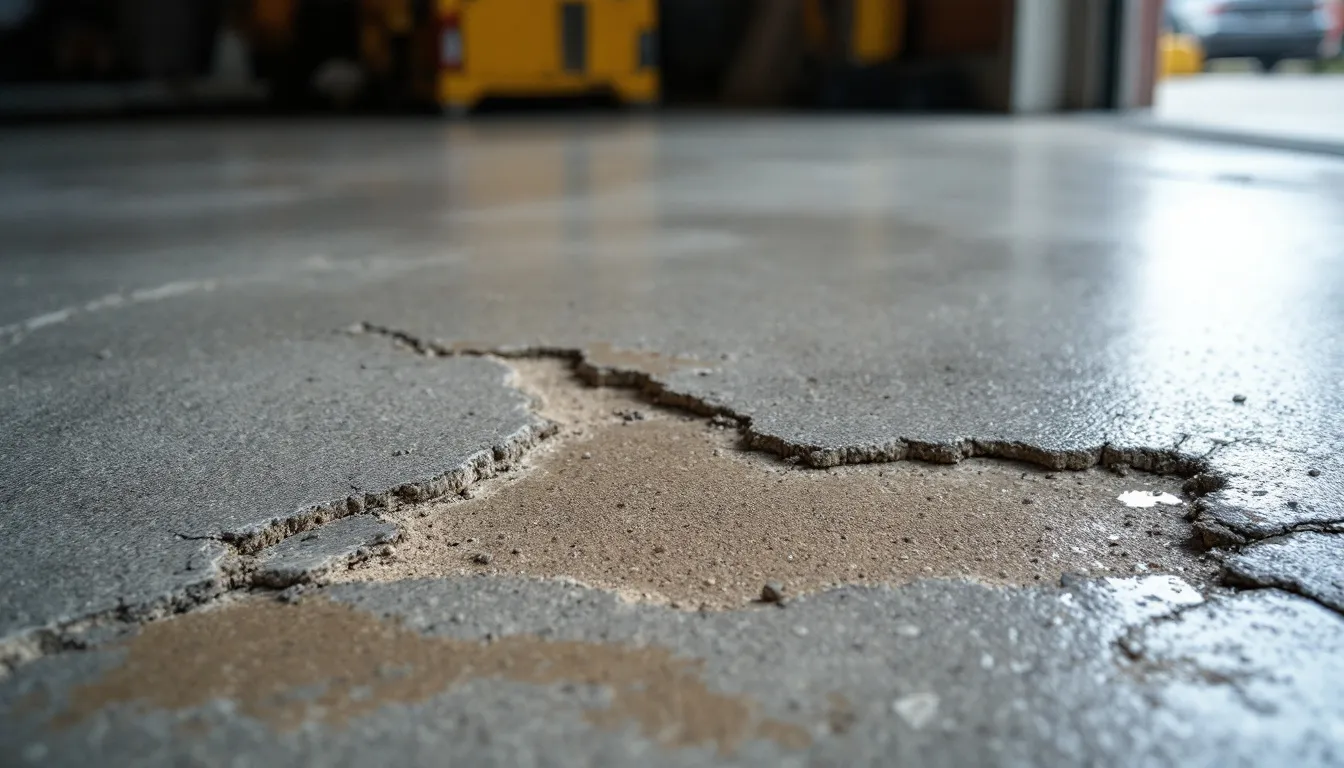
- A garage floor section near the overhead door has sunk an inch or more
How It Works
Our Process for Concrete Leveling
- 1
Site evaluation
We assess how much the slab has moved, where the voids are likely located underneath, and whether the slab itself is in good enough condition to lift without cracking further.
- 2
Identify the cause
Settlement has causes. We look for signs of erosion, tree roots, poor original compaction, or drainage issues. Leveling without addressing the cause is a temporary fix at best.
- 3
Drill access holes
Small holes are drilled through the slab to access the void below. Mudjacking holes are about two inches. Foam injection holes are smaller. Both are patched after the job.
- 4
Pump material and lift
Material is pumped under pressure to fill voids and raise the slab. Lifting is done in controlled increments — you can overshoot and crack a slab by lifting too fast.
- 5
Check elevation
We measure elevation at multiple points during and after lifting. The goal is to get the slab back to a functional, safe level — not necessarily perfectly flush, which old concrete rarely achieves.
- 6
Patch and seal holes
Access holes are patched flush with the slab surface. We go over the joints and edges with the homeowner before leaving to confirm the result is acceptable.
What's included
- Full evaluation of slab condition before any drilling or lifting begins
- Access hole drilling, material injection, and elevation adjustment
- Patching of all access holes flush with the slab surface
- Post-lift elevation check at multiple points across the slab
- Honest conversation about the cause of settlement and what to watch
- Guidance on any drainage or soil issues that contributed to the sinking
What's not included
- Drainage corrections or soil stabilization work beyond the slab itself
- Replacement of slabs that are too cracked or deteriorated to lift in one piece
- Any guarantee that settlement will not recur if the underlying cause is not corrected
Real Situations
Common Scenarios in Ann Arbor
A homeowner in the Northside neighborhood has a driveway panel that dropped almost two inches at the joint and is catching car bumpers.
We check the slab condition first — a two-inch drop is significant and we want to confirm the slab will hold together during lifting. If it is sound, we drill, pump, and bring it back to grade in controlled increments. We also look at where the water from the driveway is going, because poor drainage is often the reason that section settled.
A homeowner near Wines Elementary has a back patio that is sloping noticeably toward the house, and water is getting into the basement window well.
A patio draining toward the house is both a concrete problem and a water management problem. We lift the patio back to a slope that directs water away from the foundation. We also flag if there are other drainage issues we notice that are outside our scope, so the homeowner knows what else to look at.
An older homeowner on the west side has a front walk with two panels that have each settled about an inch, creating a trip hazard at both joints.
Walk panels near public sidewalks sometimes have city involvement, so we note that upfront. We lift both panels and bring the joints as close to flush as the slab condition allows. On older walks, the concrete may be brittle, and we tell the homeowner beforehand what happens if a panel cracks during lifting.
Ann Arbor Context
Why this matters in Ann Arbor
Ann Arbor's clay soils expand when wet and shrink when dry, creating seasonal movement under slabs that were poured on compacted fill. Neighborhoods developed in the post-war era often had minimal base preparation, and those slabs have had decades to settle. Tree roots are also a factor on the older tree-lined streets — they can create voids under walks and patios that cause sudden drops rather than gradual settling.
Straight Talk
About pricing & scope
Leveling cost depends on how many slabs need lifting, how much they have moved, and how accessible the underside is. We cannot always know how much material will be needed until the pump is running and we see how the voids fill. If a slab shifts more than expected during lifting, we stop and reassess rather than push it and cause a crack. Settlement that returns quickly after leveling usually means the root cause was not addressed.
What This Fixes
Problems We See in Ann Arbor
More Concrete Repair Services
Concrete Leveling Near You