Concrete Repair Services › Concrete Lifting
Concrete Lifting in Ann Arbor, MI
Concrete lifting specifically addresses slabs that have dropped below their original position and need to be raised, not just leveled side to side. The process uses either a cementitious slurry or an expanding polyurethane foam injected through small holes in the slab to fill the void and push the concrete back up. It is faster, less expensive, and less disruptive than tearing out and replacing a slab — when the slab is in good enough condition to be a candidate.
Ann Arbor Concrete Repair Pros provides concrete lifting for homeowners across Ann Arbor, MI. Call for a free inspection and a written quote before any work begins.
When to Call
When You Need Concrete Lifting
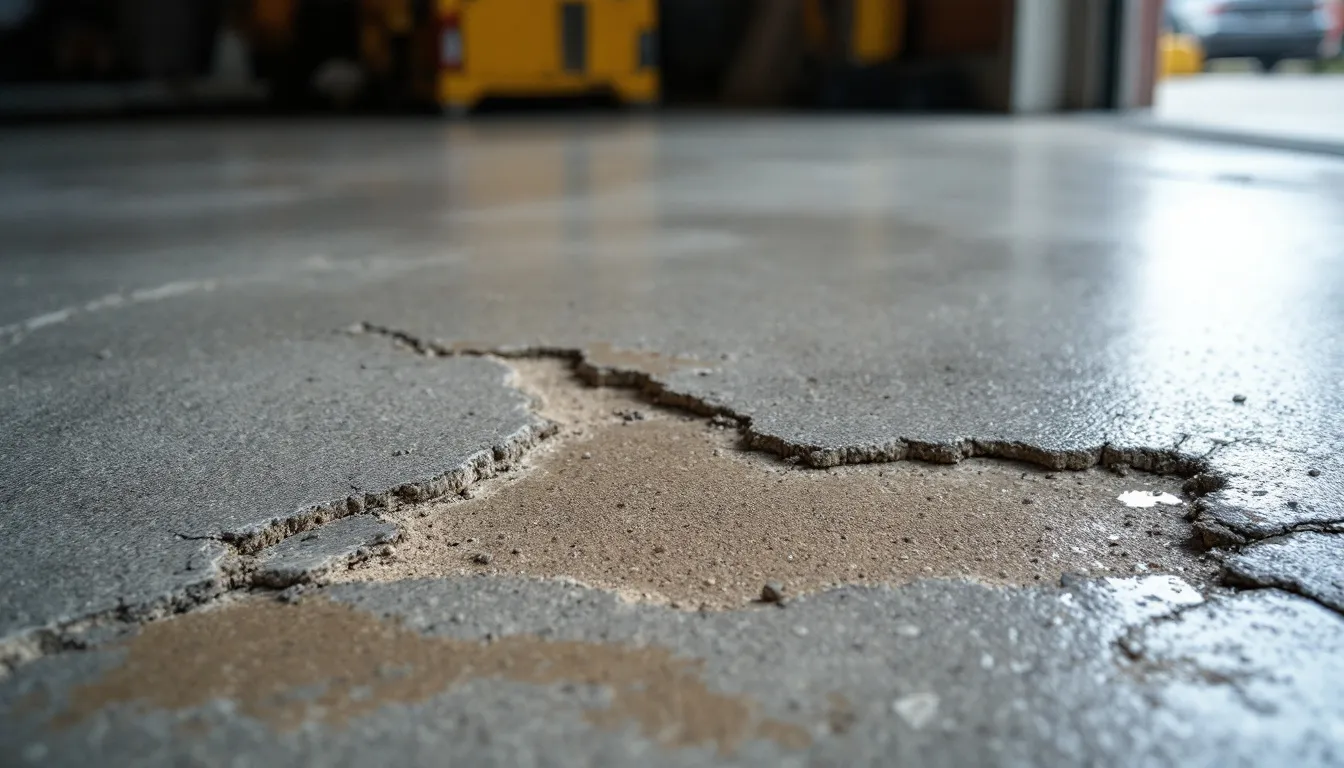
- A garage approach slab dropped after last spring's thaw and has not come back
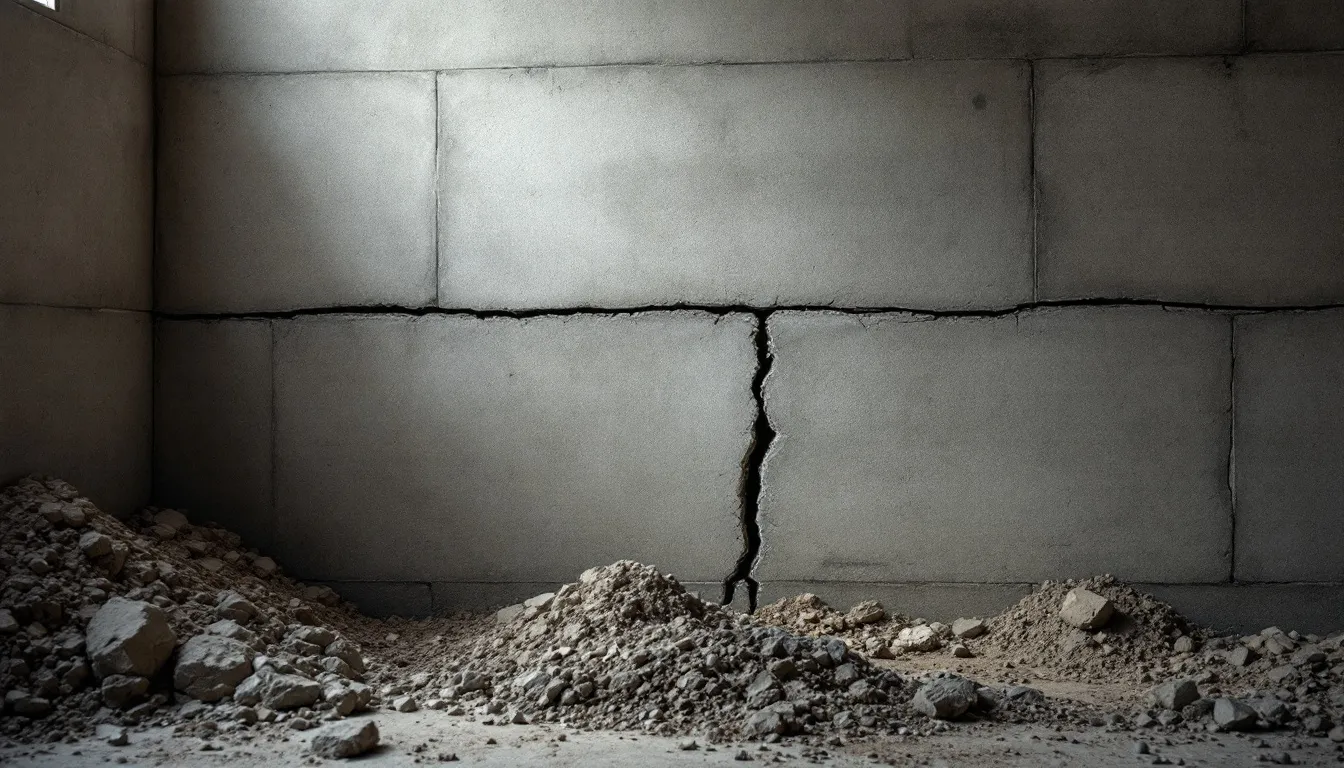
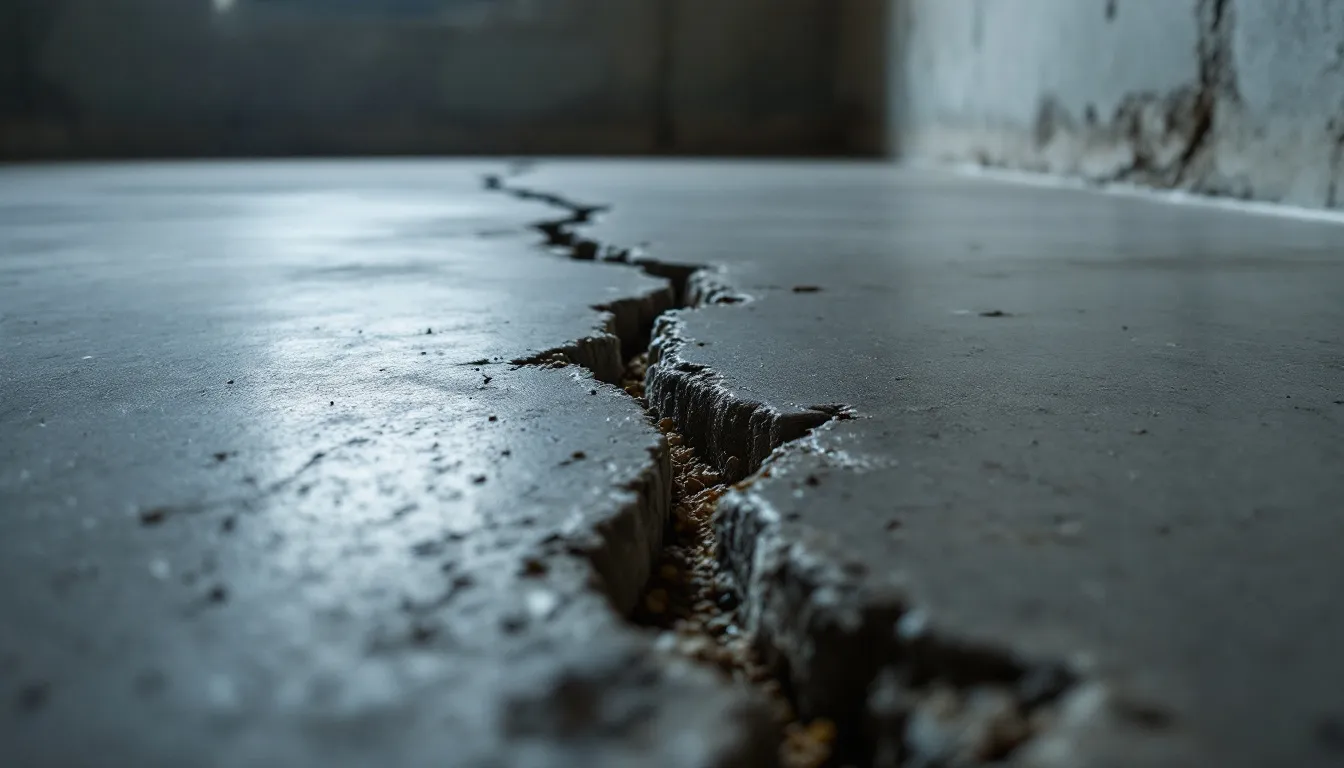
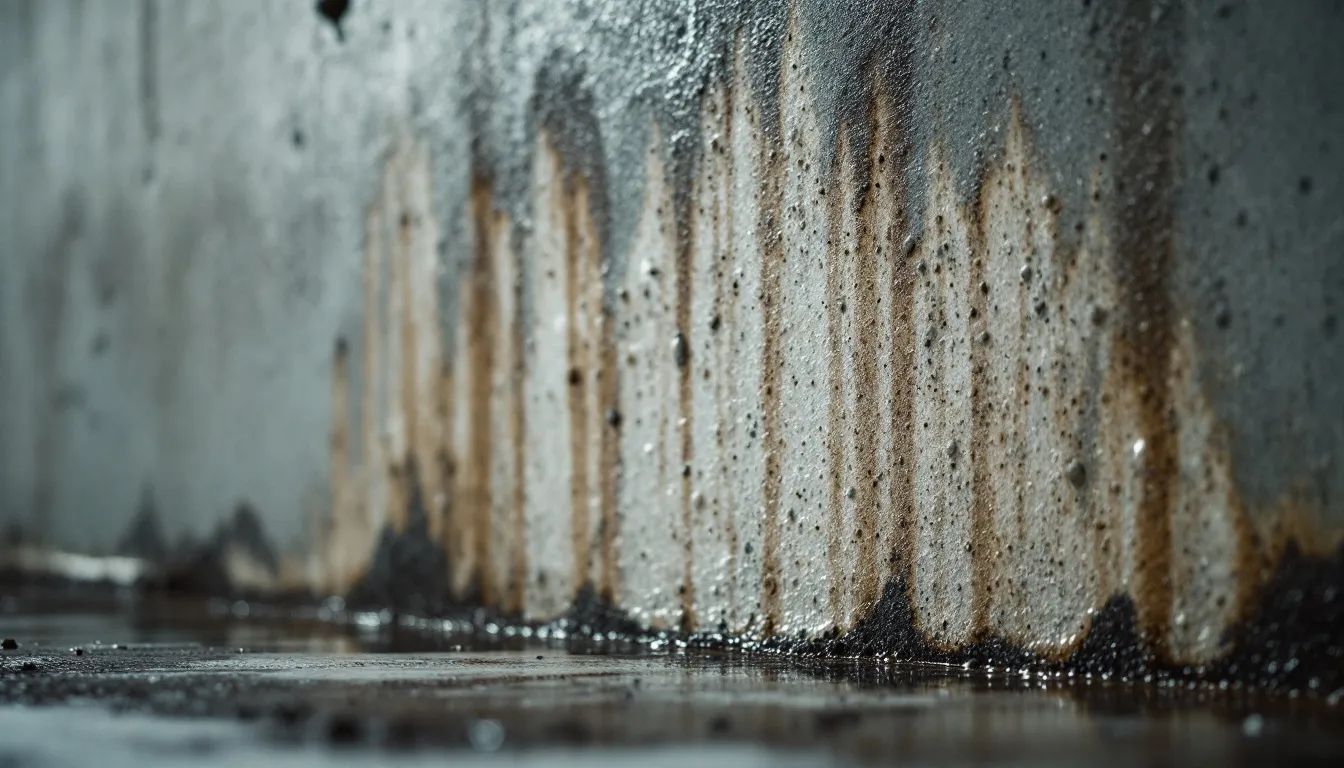
- Basement floor near a wall has dropped and the gap is letting in moisture
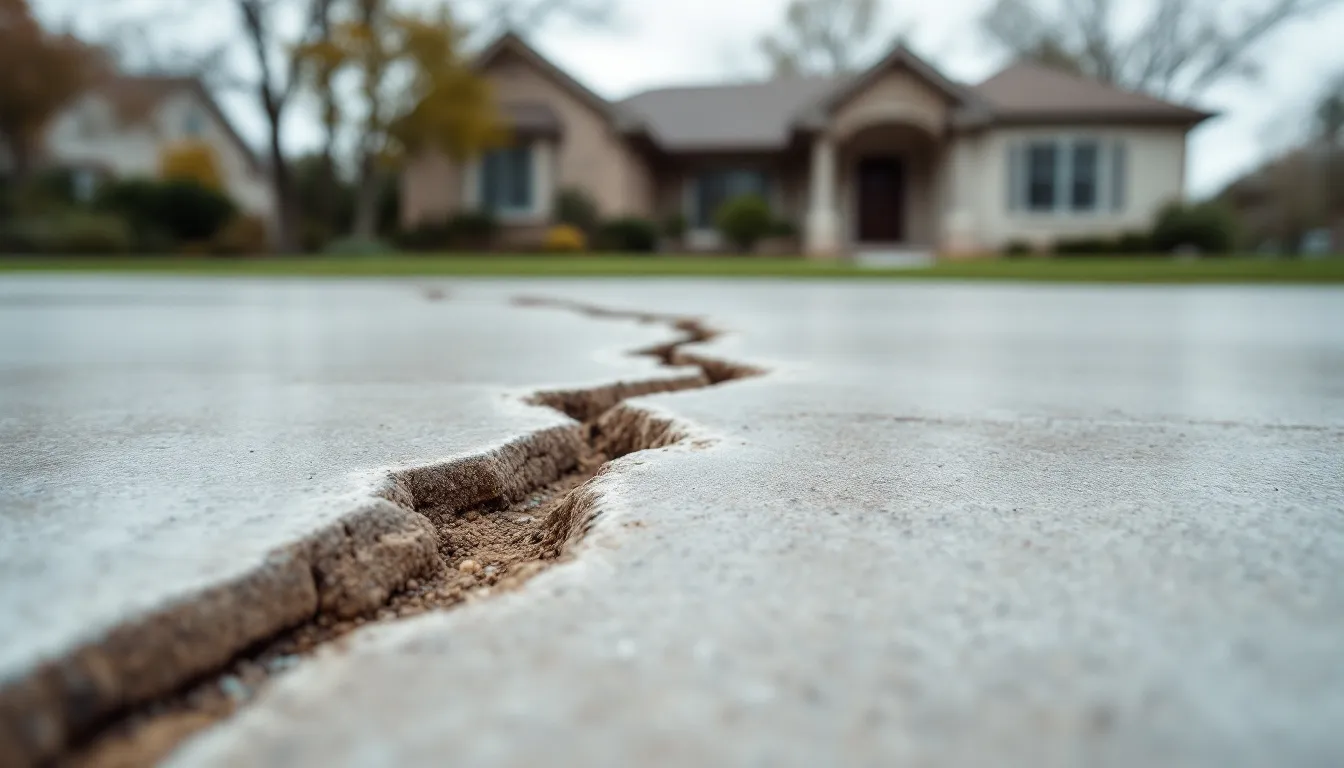
- Driveway slabs sank after a water main break or pipe leak in the yard
- A loading area or parking pad has sections low enough to collect standing water
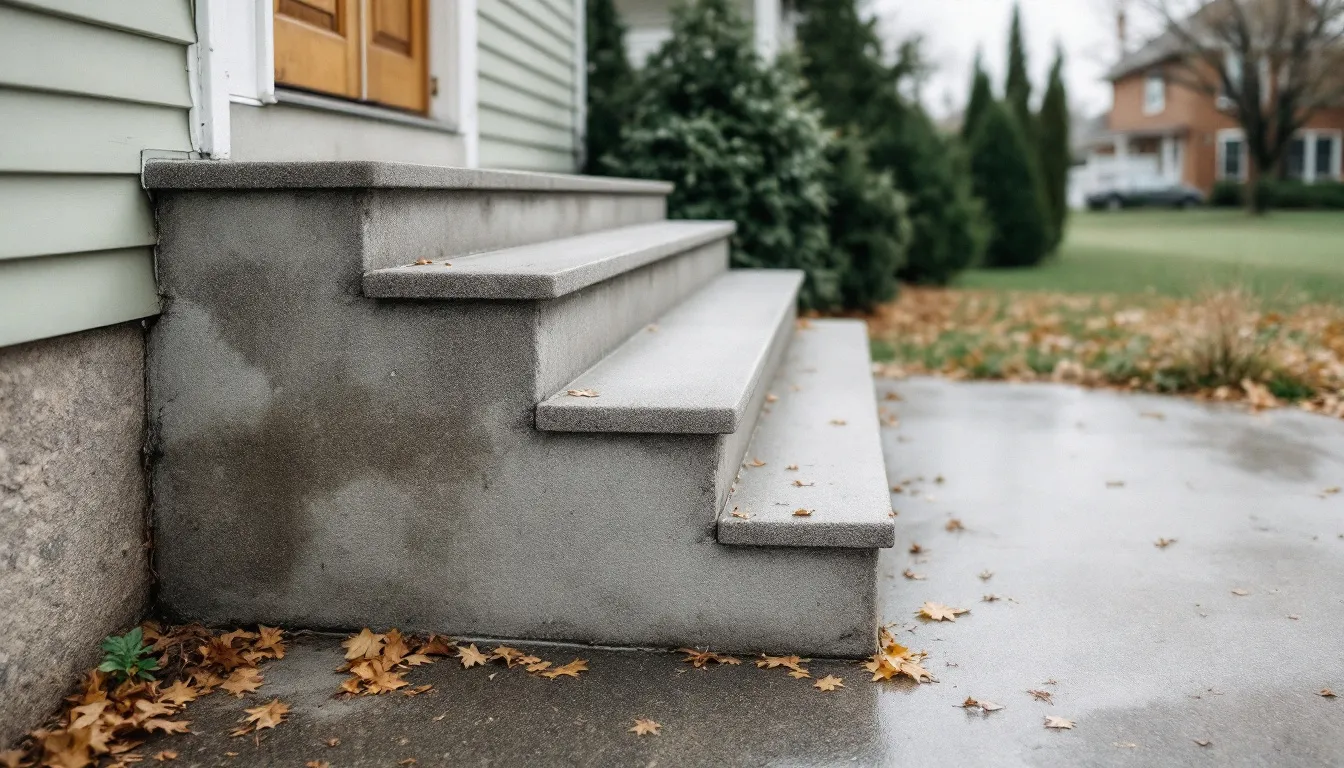
- Concrete steps to the front door sank and the railing is now pulling away from the wall
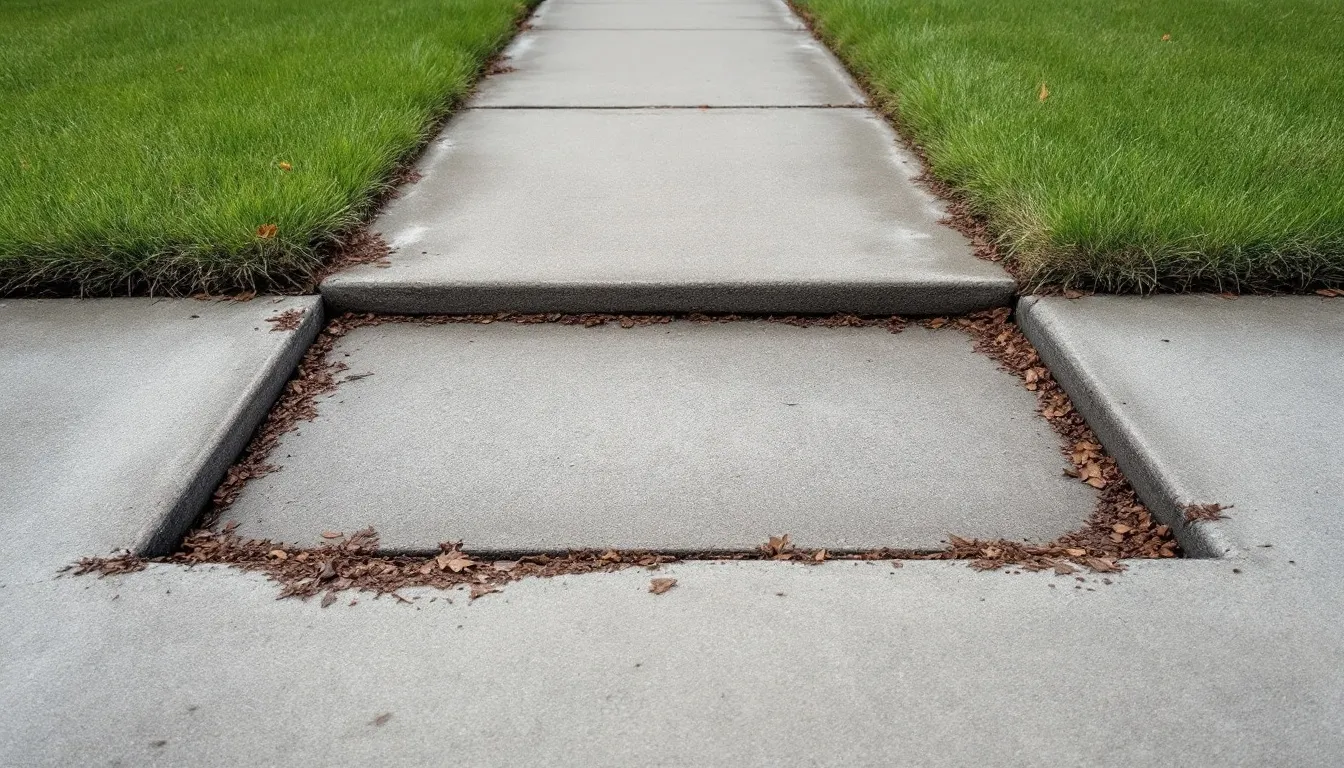
- A section of the public sidewalk in front of your house dropped after utility work
How It Works
Our Process for Concrete Lifting
- 1
Slab condition check
We inspect the slab for existing cracking, thickness, and integrity. A slab too thin or too cracked will not lift cleanly — it will just break. This step determines if lifting is even the right approach.
- 2
Void mapping
We probe or inspect to estimate where the void is and how large it is. Knowing where the empty space is helps us place injection holes for maximum effect with minimum drilling.
- 3
Method selection
Mudjacking works well for large slabs and significant voids. Foam injection is better where weight matters, access is tight, or the project is near landscaping. We explain the tradeoff honestly.
- 4
Drilling and injection
We drill access holes at planned locations, then inject material under controlled pressure. Lifting happens gradually. We watch for any stress cracking at the edges as the slab rises.
- 5
Elevation monitoring
We check height at multiple points through the process. Lifting stops when the slab is at the target elevation. Getting it close is the goal — old concrete rarely comes back to within a fraction of an inch.
- 6
Hole patching and cleanup
Access holes are filled and finished flush. We clean up slurry or foam residue at the surface. Final walkthrough with the homeowner before we pack up.
What's included
- Pre-lift slab integrity assessment and void location estimate
- All drilling, injection material, and lifting work
- Elevation checks throughout the lift to prevent overshooting
- Access hole patching finished flush with slab surface
- Job site cleanup and homeowner walkthrough at completion
- Straight talk about whether the lift addresses the root cause or just the symptom
What's not included
- Repair of cracks that were present before lifting or that open during the lift
- Plumbing, utility, or drainage work that may have caused the void beneath the slab
- Lifting slabs with severe structural damage, exposed rebar, or extensive delamination
Real Situations
Common Scenarios in Ann Arbor
A homeowner in the Ann Arbor Hills neighborhood has a two-car garage where the approach slab dropped three inches on one side after a wet fall.
A three-inch drop on one side usually means a concentrated void. We map the void area, drill a pattern of holes, and pump material in stages to lift the low side back toward grade. We are careful not to lift one side faster than the other, which can crack a slab down the middle. We also check the downspout routing near that slab, because concentrated water discharge is a common cause of this pattern.
A homeowner near Huron River Drive has a concrete patio that sank along one edge near a large oak tree, creating a low spot that holds water.
Tree roots can create voids but can also be under the slab in ways that complicate lifting. We probe carefully before committing to a lift approach near large trees. If root intrusion has compromised the base too extensively, we tell the homeowner that lifting may be temporary until the root situation is addressed.
A homeowner on the east side had utility work done in the parkway last year and the sidewalk panel above the trench is now two inches low.
Utility trench backfill that was not properly compacted is one of the most predictable causes of slab settlement. We confirm the slab is intact, lift it back to grade, and document the work in case the homeowner needs to pursue the utility company for reimbursement. We are not involved in that process, but we can tell them clearly what we found.
Ann Arbor Context
Why this matters in Ann Arbor
Ann Arbor has a high density of mature trees in its older neighborhoods, and tree root activity under concrete is a real and common factor in slab movement here. The city also has aging water and sewer infrastructure, and pipe leaks under yards have caused localized soil washout that leads to sudden slab drops. Homes in low-lying areas near the Huron River corridor deal with a high water table that can shift soils seasonally, making slab stability an ongoing issue rather than a one-time event.
Straight Talk
About pricing & scope
The cost of a lifting job depends on the area of the slab, how far it dropped, and how much material it takes to fill the void and raise it. Large voids under big slabs use significantly more material than small ones under a walk panel. If we drill and find the void is larger than expected, we tell you before we pump more material. A slab that re-settles quickly after lifting almost always has an ongoing water or soil issue that the lifting did not fix.
What This Fixes
Problems We See in Ann Arbor
More Concrete Repair Services
Concrete Lifting Near You