Concrete Repair Services › Concrete Resurfacing
Concrete Resurfacing in Ann Arbor, MI
Resurfacing puts a fresh layer of cementitious or polymer material over existing concrete that is structurally sound but cosmetically worn. It is not a fix for a slab that is cracked through, sinking, or has a failing base — the existing concrete has to be in good enough shape to hold the new layer. Done right, it extends the usable life of a slab without the cost and disruption of full replacement.
Ann Arbor Concrete Repair Pros provides concrete resurfacing for homeowners across Ann Arbor, MI. Call for a free inspection and a written quote before any work begins.
When to Call
When You Need Concrete Resurfacing
- Driveway is rough and pitted but not cracked through or sinking
- Patio surface is worn and stained but structurally solid under foot
- Pool deck has weathered surface texture that is rough on bare feet
- Garage floor is oil-stained and worn but level and sound underneath
- A rental property has concrete walks that look bad but are not a safety issue
- You want a cleaner look without paying for full slab tear-out and replacement
How It Works
Our Process for Concrete Resurfacing
- 1
Slab assessment
We check for cracks, hollow spots, and movement before anything else. Resurfacing over a slab that is settling or has structural cracks will fail. We tell you upfront if the slab does not qualify.
- 2
Crack and spall prep
Any cracks or surface defects get addressed before resurfacing. We are not filling over problems — we are making sure the substrate is as uniform as possible so the overlay bonds evenly.
- 3
Surface cleaning and profiling
The existing concrete gets pressure washed and mechanically abraded or acid etched to open the surface pores. Bond failure is almost always a surface prep failure.
- 4
Overlay application
We apply the resurfacing material at the thickness appropriate to the product and the surface condition. Thin overlays require a very flat substrate; thicker ones can cover more variation.
- 5
Texture and finish
We broom, trowel, or stamp the surface depending on what the homeowner needs. For driveways and walks, a broom finish provides slip resistance. Decorative finishes are an option but add time and cost.
- 6
Cure and traffic hold
We set a realistic wait time before foot and vehicle traffic based on the product used and the weather that day. Rushing cure is one of the most common causes of early overlay failure.
What's included
- Full slab assessment to confirm resurfacing is appropriate before starting
- Surface crack and defect preparation prior to overlay
- Mechanical or chemical surface profiling for proper bond
- Overlay material and application to full coverage
- Standard broom finish or agreed-upon texture
- Cure time guidance and traffic hold instructions
What's not included
- Decorative stamping, staining, or custom color — those are priced separately and add significant time
- Repair to underlying drainage or base issues that are causing the surface to fail
- Any work on slabs that show active settlement, heaving, or through-cracking — those need different solutions first
Real Situations
Common Scenarios in Ann Arbor
A homeowner in the Eberwhite neighborhood has a 1980s concrete driveway that looks rough and stained but passes a structural check.
We clean and profile the surface, fill any minor cracking, and apply a polymer-modified overlay at the appropriate thickness. We give the homeowner realistic expectations — the surface will look significantly better, but it will not look like a fresh pour, and existing cracks may eventually telegraph through over time.
A homeowner near Allmendinger Park wants to refresh a backyard patio that has surface wear and some staining but is solid and level.
A patio with light foot traffic is a good candidate for a thinner overlay. We discuss finish texture options and explain that a broom finish holds up better outdoors than a smooth trowel finish. We also talk about sealing after cure to protect the new surface.
A property manager has several rental units near campus with worn concrete walks that look neglected.
We assess each walk individually — some may qualify for resurfacing, others may have too much cracking or settlement to hold an overlay. We give a straight breakdown of which sections can be resurfaced and which need replacement, so the property manager can budget accurately.
Ann Arbor Context
Why this matters in Ann Arbor
Ann Arbor's older neighborhoods have a lot of concrete flatwork that was poured in the 1950s through 1980s. That concrete is structurally okay in many cases but has decades of surface wear, staining, and freeze-thaw damage on the face. Full replacement is expensive and disruptive, and many of these slabs do not need it. Resurfacing is a practical middle option for homeowners who want better-looking concrete without a full tear-out.
Straight Talk
About pricing & scope
Resurfacing cost depends on the area covered, the condition of the existing surface, and the finish type. The more prep work the existing concrete needs — crack repair, profiling, spot grinding — the more it costs before the overlay material even goes down. If we find active settlement or base failure during prep, we stop and discuss options rather than apply an overlay that will not last.
What This Fixes
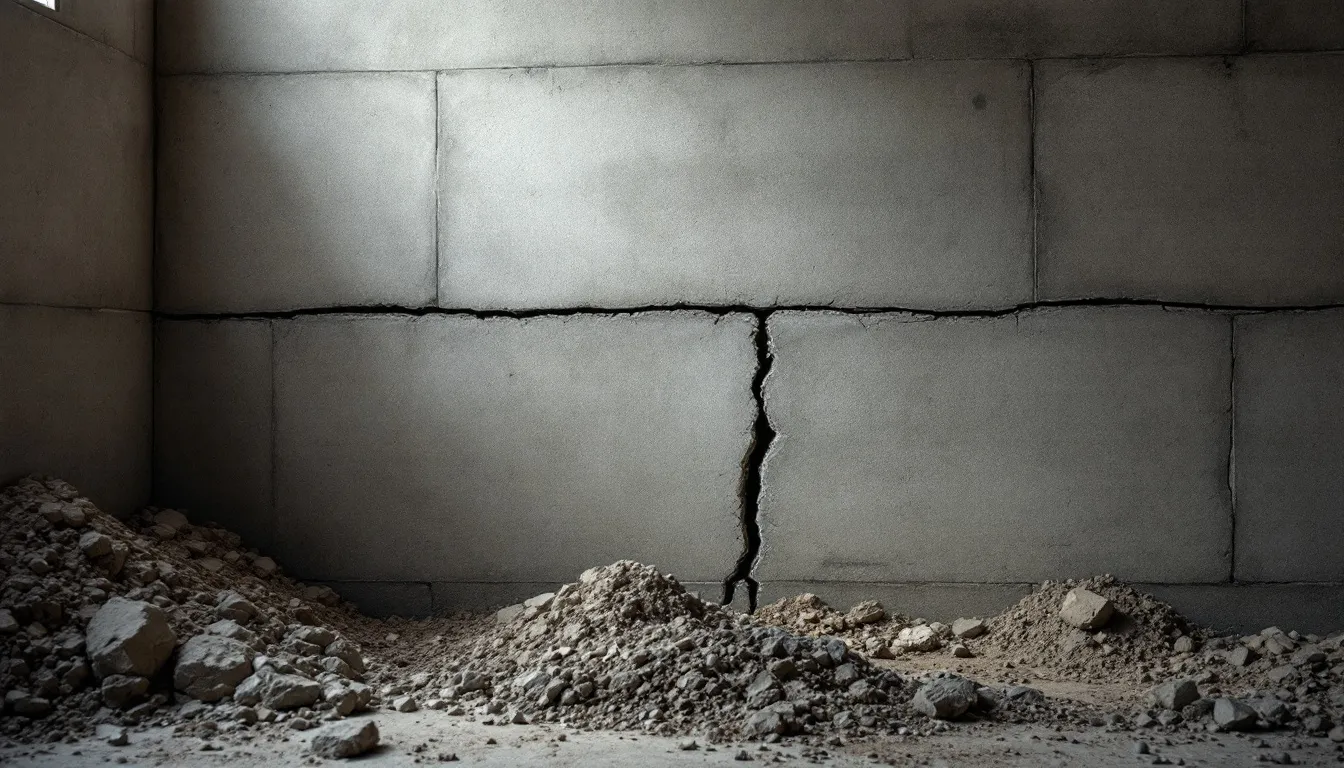
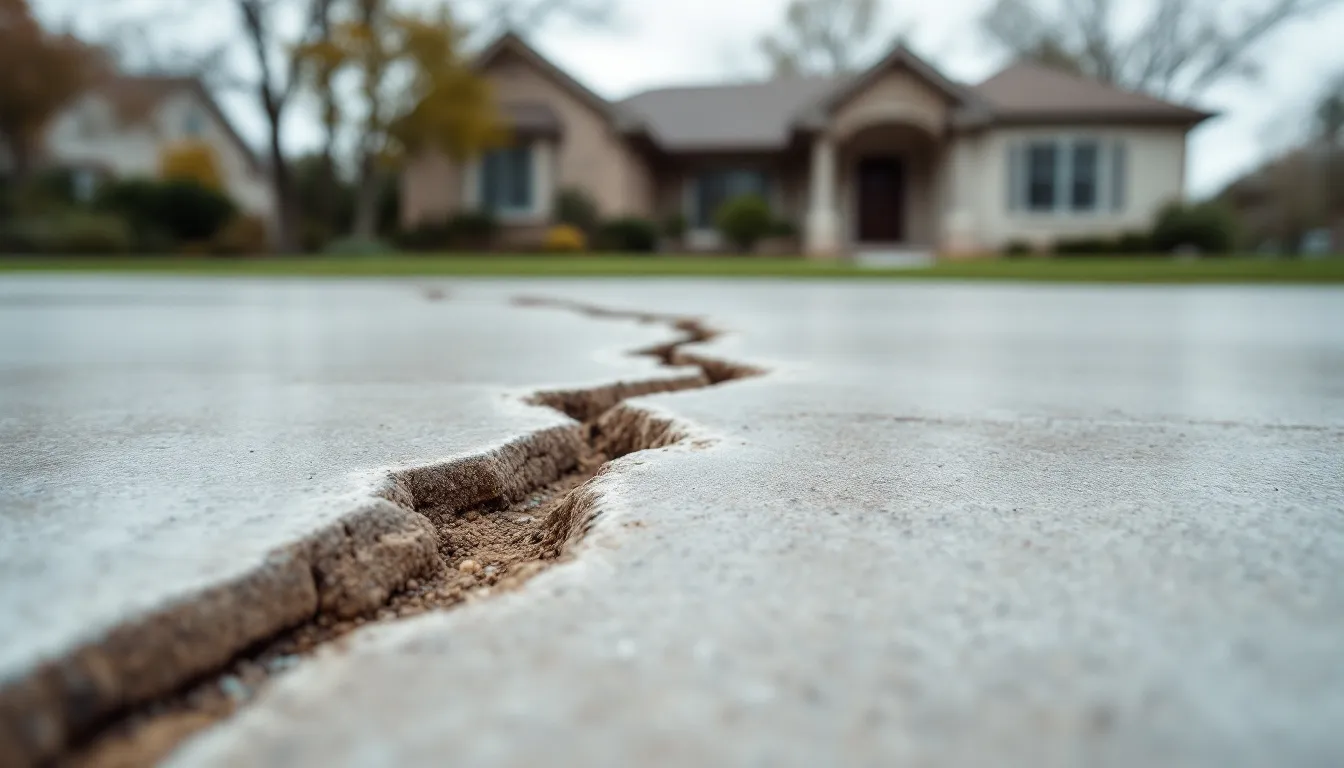
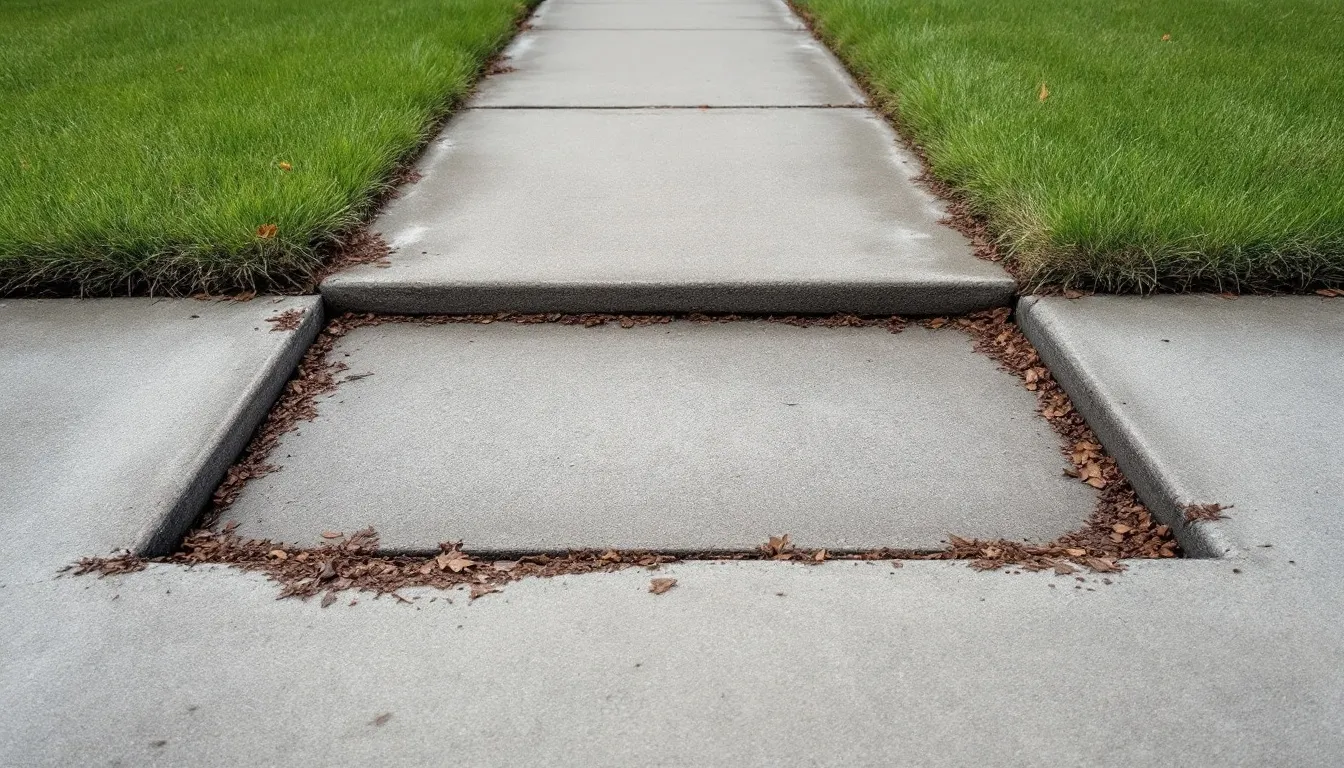
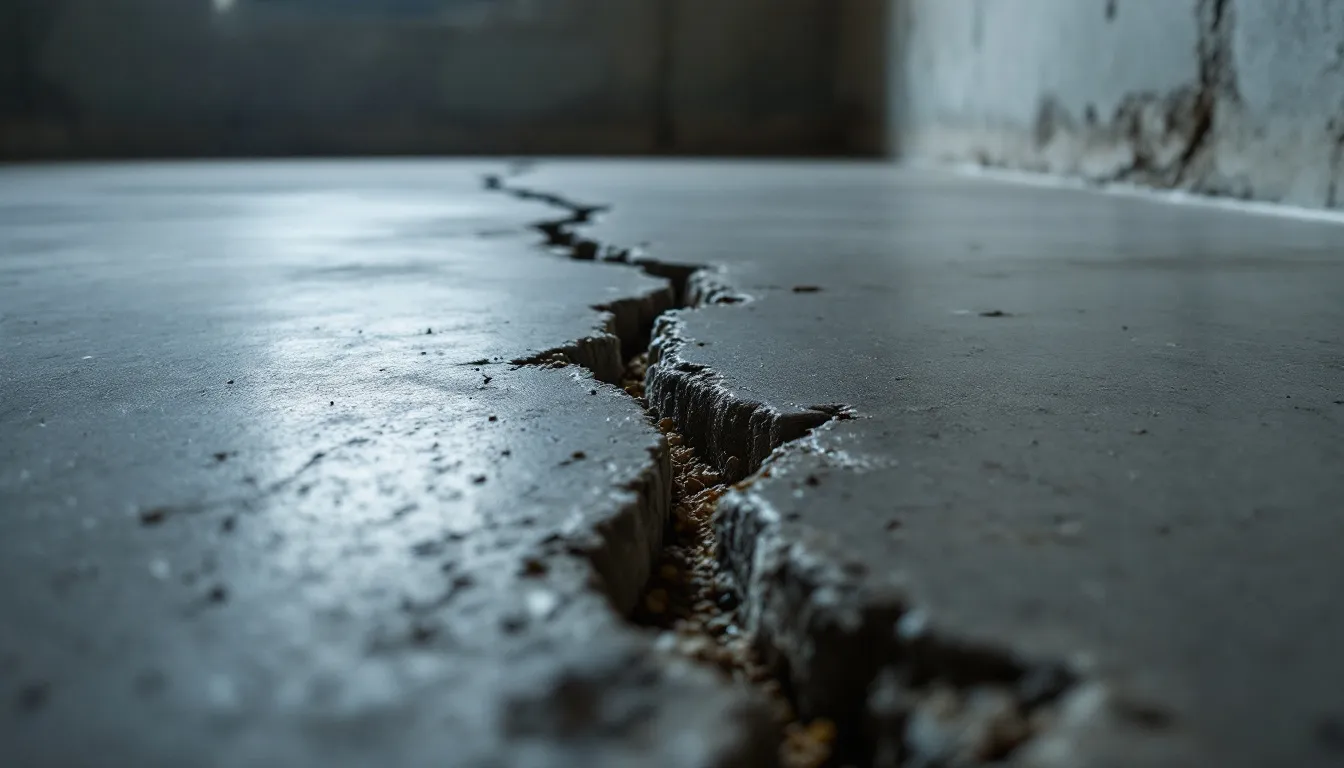
Problems We See in Ann Arbor
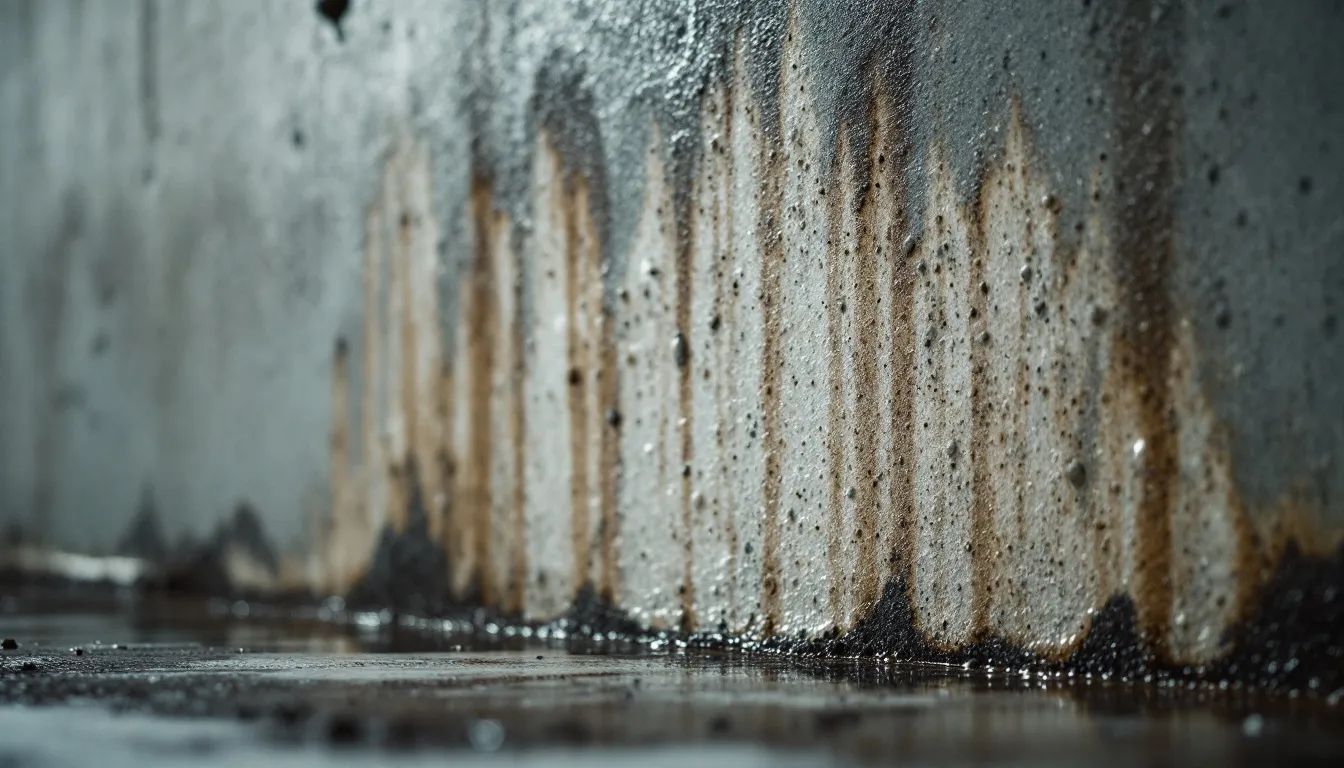
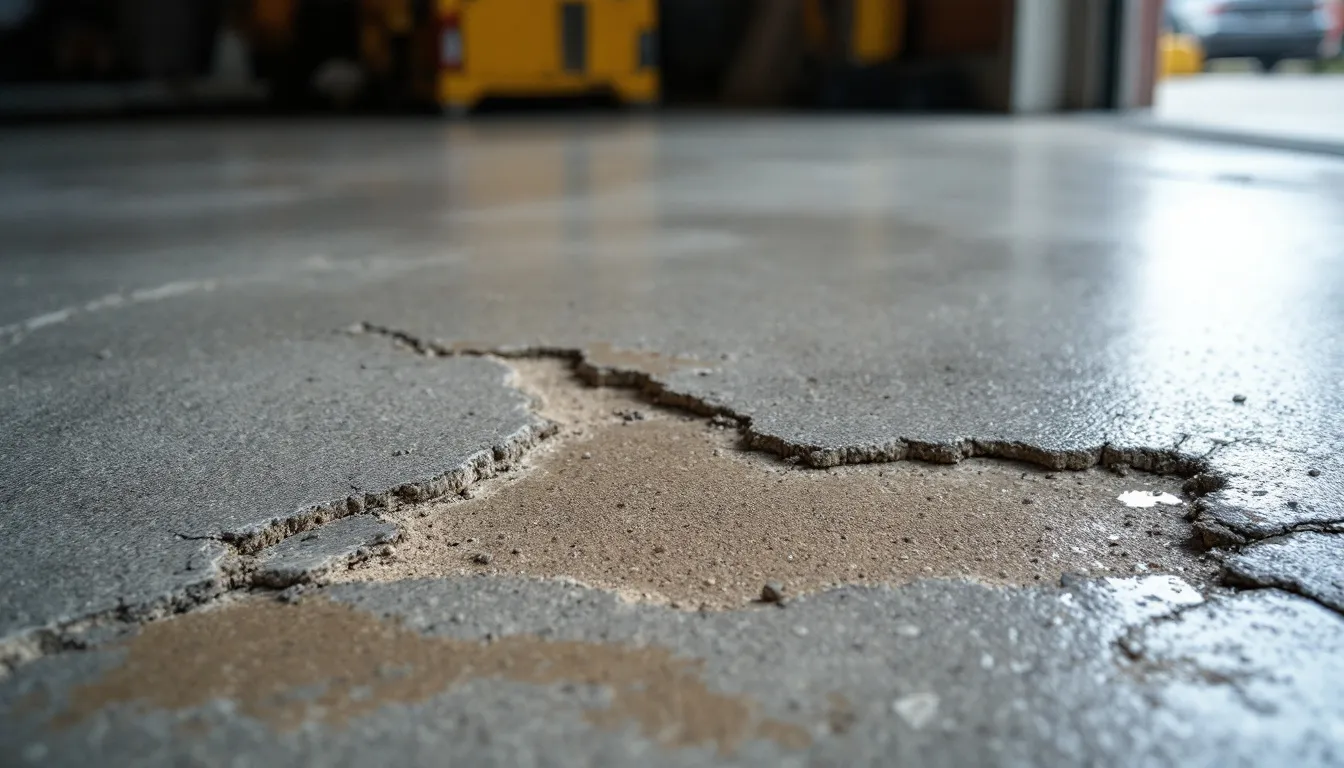
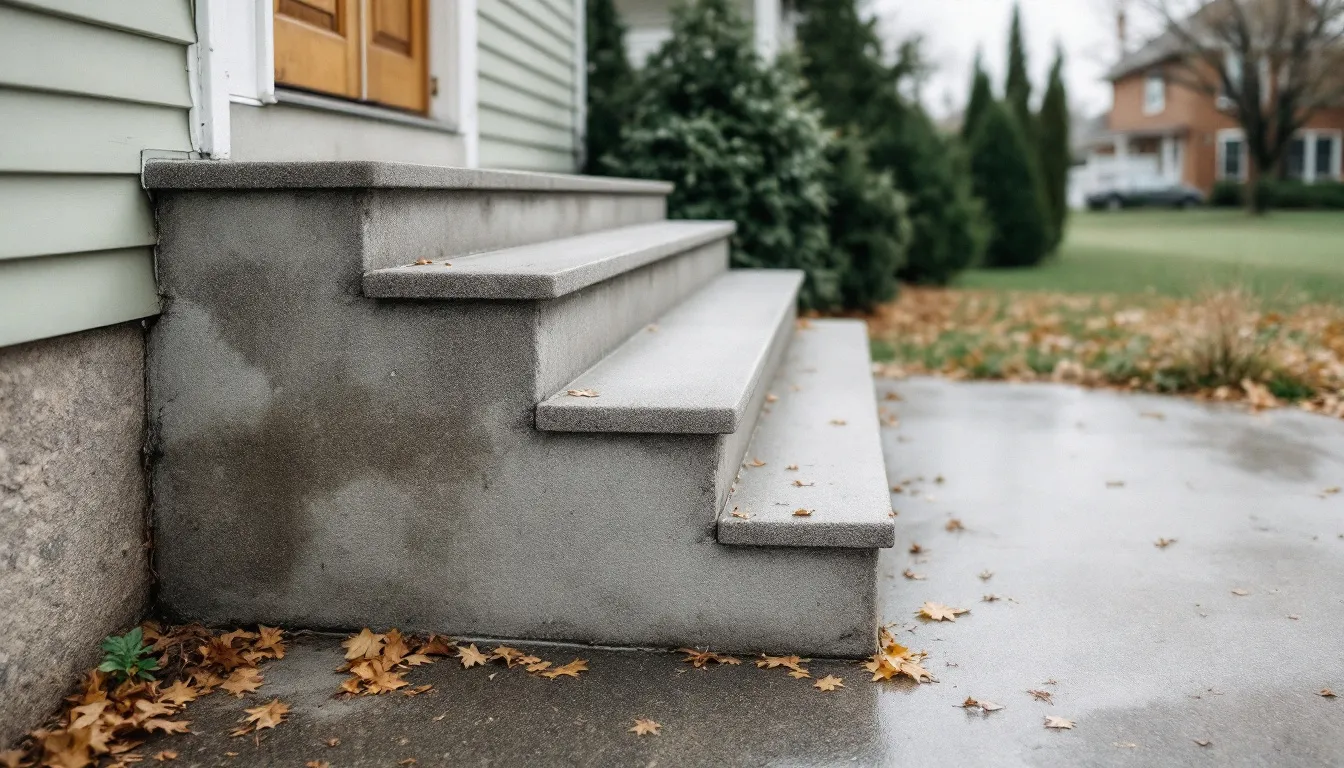
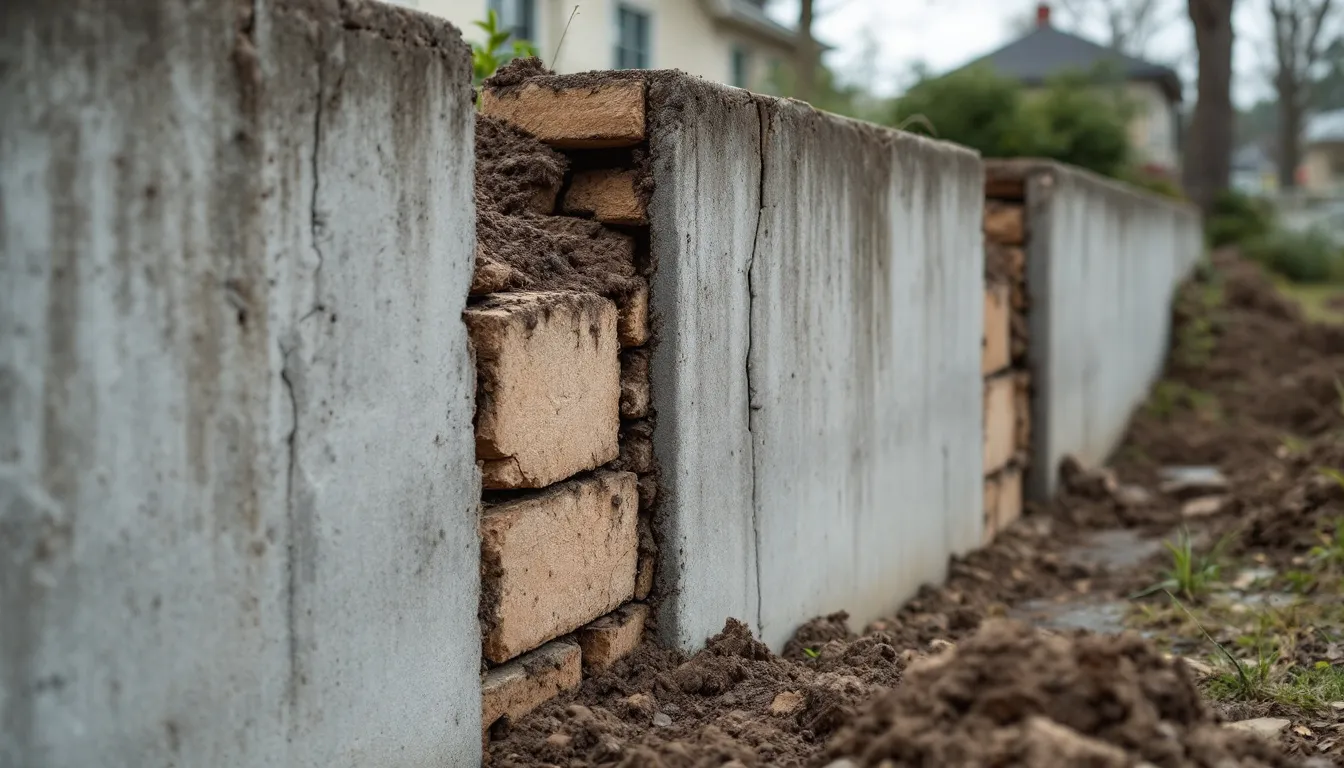
More Concrete Repair Services
Concrete Resurfacing Near You