Concrete Repair Services › Concrete Spalling Repair
Concrete Spalling Repair in Ann Arbor, MI
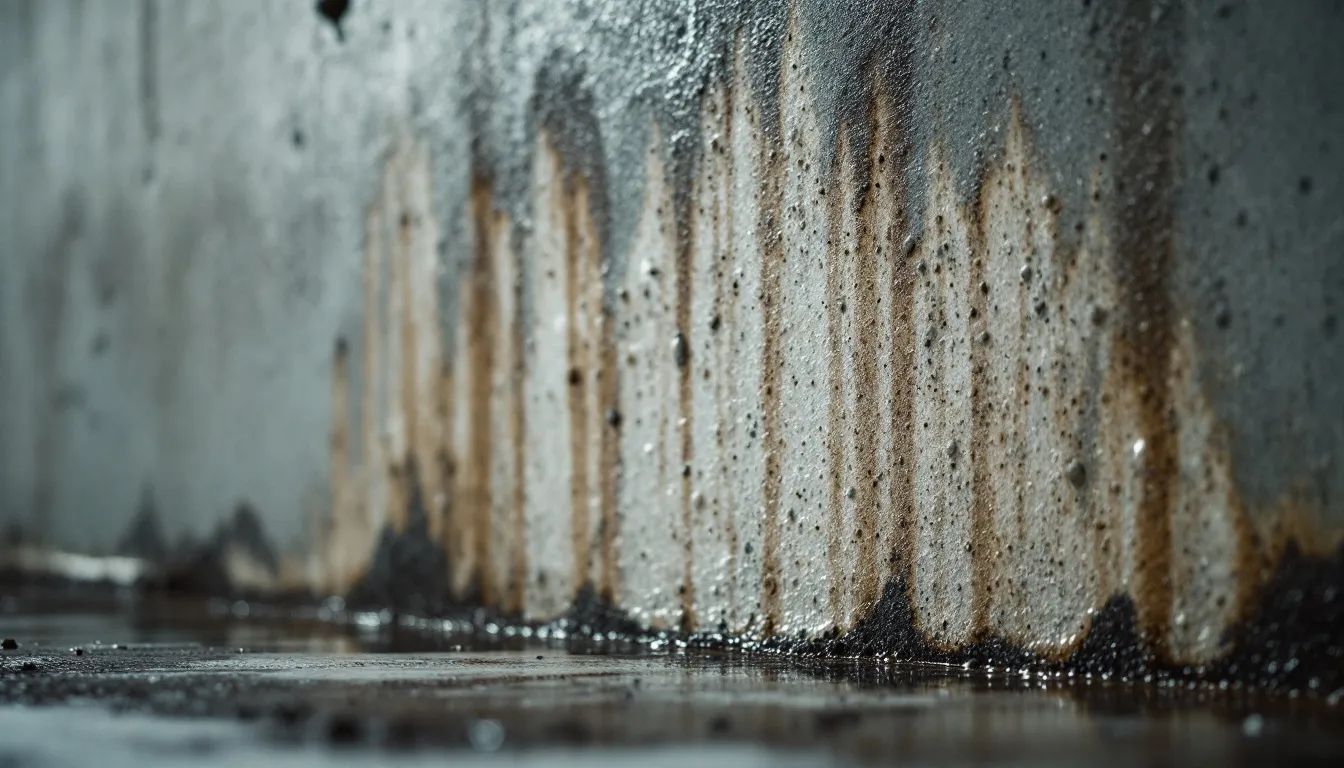
Spalling is what happens when the surface of concrete separates and breaks off, leaving a rough, pitted, or cratered face. It usually starts with water getting into the concrete, freezing, and pushing the surface layer off from below. Deicing salt accelerates the process significantly, and once spalling starts, the exposed aggregate beneath absorbs water even faster.
Ann Arbor Concrete Repair Pros provides concrete spalling repair for homeowners across Ann Arbor, MI. Call for a free inspection and a written quote before any work begins.
When to Call
When You Need Concrete Spalling Repair
- Driveway surface is flaking off in dinner-plate-sized chunks after winter
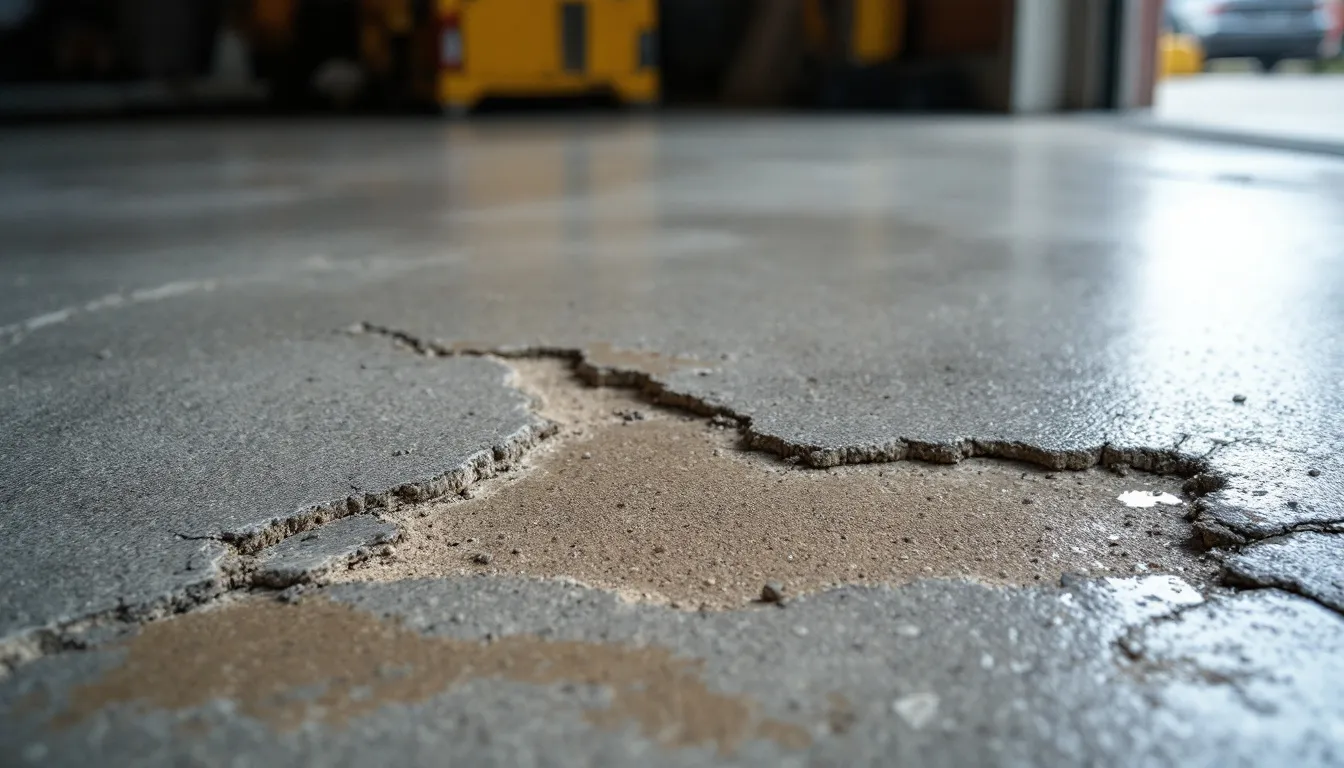
- Garage floor has a pitted, rough texture where the top layer has popped off
- A front stoop has lost surface material and rebar is starting to show
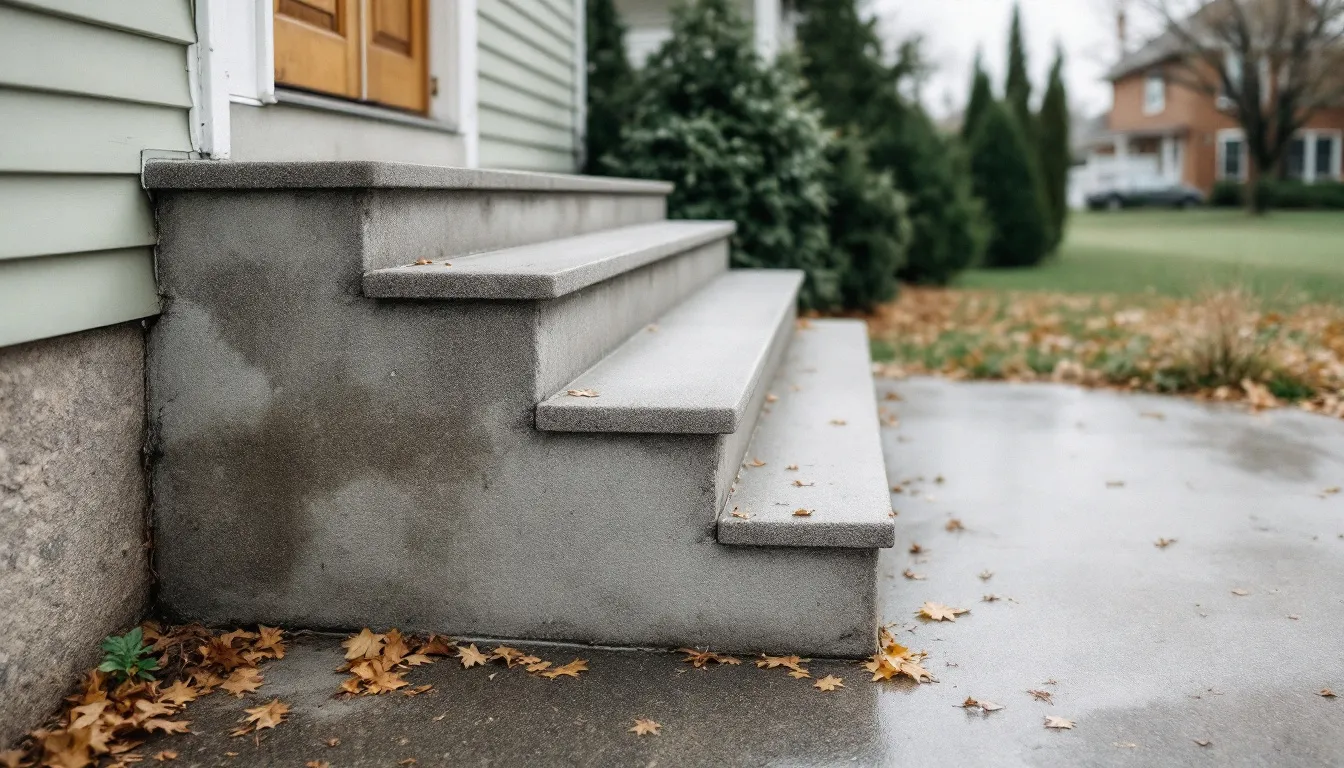
- Concrete steps have crumbling edges and nosings that are getting worse each year
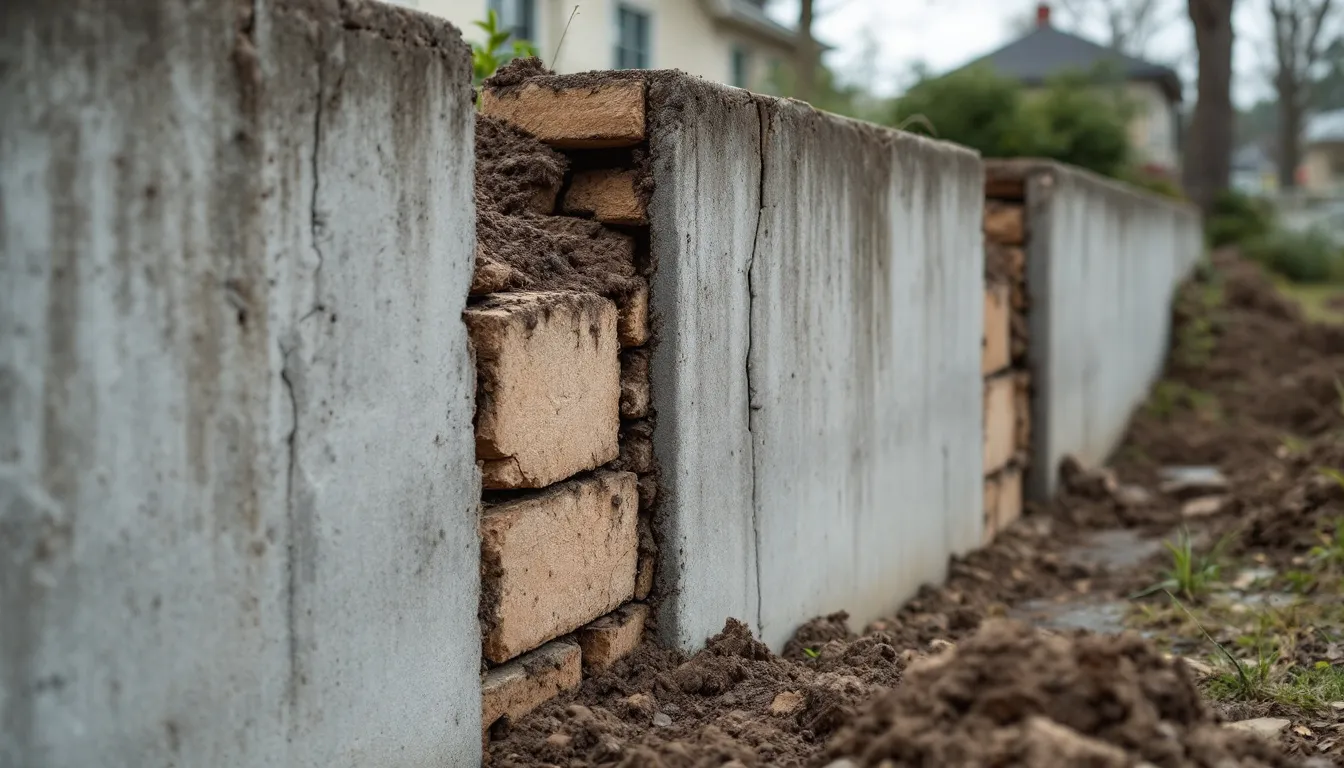
- A retaining wall face is scaling and pieces are falling off onto the lawn
- You salted the driveway heavily last winter and now the surface is peeling
How It Works
Our Process for Concrete Spalling Repair
- 1
Damage evaluation
We sound the surface with a hammer to find hollow spots and map how deep the damage goes. Shallow surface spalling and deep structural spalling need different approaches.
- 2
Remove loose and deteriorated material
All loose concrete must come out before patching. We grind or chisel until we reach sound concrete, even if that means the repair is deeper than it first looked.
- 3
Surface profiling
The repair area gets mechanically profiled so the patch material has a rough surface to bond to. Smooth-cut edges hold patch material poorly and fail early.
- 4
Bonding agent application
We apply a bonding agent to the prepared surface on most spall repairs. Skipping this step is a common reason DIY patch jobs delaminate within a season or two.
- 5
Patching and finishing
We apply repair mortar in layers appropriate to the depth, then finish to match the surrounding texture as closely as the existing surface allows.
- 6
Sealing
Repaired areas and the surrounding surface get a penetrating sealer where appropriate to slow future water intrusion. This is one of the few things that actually extends the repair life.
What's included
- Full removal of all loose and delaminated concrete before patching
- Mechanical surface preparation of the repair area for proper bond
- Patch material and bonding agent application
- Surface finishing matched to existing concrete texture where possible
- Sealer application on repaired areas to slow future moisture intrusion
- Honest assessment of whether the remaining concrete is worth patching
What's not included
- Full slab replacement if the spalling damage covers more than half the surface and the base concrete is also compromised
- Repairs to spalling caused by corroding rebar without addressing the rebar itself first
- Decorative color matching — repaired areas will likely be a slightly different shade than aged surrounding concrete
Real Situations
Common Scenarios in Ann Arbor
A homeowner in Kerrytown has a concrete driveway apron where the top inch has been flaking off for two winters in a row.
We remove all loose material, profile the sound concrete below, and apply a polymer-modified repair mortar in the appropriate depth. We also ask about salt use, because continued heavy deicing salt application will shorten the life of any repair on a marginally sound slab.
A homeowner near Arbor Hills has exposed aggregate steps where the paste has washed away and the aggregate is loose on two of the treads.
Steps with loose aggregate are a fall hazard, so we prioritize getting the nosing edges solid. We explain upfront that matching exposed aggregate texture is difficult — the repair will be visible. If cosmetics matter a lot to the homeowner, we discuss whether resurfacing the whole staircase makes more sense than spot patching.
A rental property owner near State Street has a garage floor with deep spalling pits that tenants are reporting as a trip hazard.
We assess depth and pattern of the pitting. Isolated deep pits get filled with repair mortar. If the entire floor surface is compromised, we have an honest conversation about whether patching or full resurfacing is the better investment for a rental context.
Ann Arbor Context
Why this matters in Ann Arbor
Ann Arbor's winters average around 50 freeze-thaw cycles per year, which is hard on any concrete surface. The real accelerant here is road salt — many homeowners use it heavily on driveways and walks, and it chemically attacks the concrete paste while also pulling more water into the slab. Homes built in the 1950s through 1970s often have concrete mixed to standards that held up fine until salt use became common, and those slabs are now showing widespread surface deterioration.
Straight Talk
About pricing & scope
The biggest variable in spalling repair cost is how deep the damage goes and how much area is involved. What looks like a surface issue sometimes goes down two or three inches once we remove the loose material. We tell you what we find before we go deeper, and if the base concrete is too far gone, we say so rather than patch over a failing substrate.
What This Fixes
Problems We See in Ann Arbor
More Concrete Repair Services
Concrete Spalling Repair Near You